


You've found your dream home. Your offer's accepted, the financing's lined up, and you're already mentally decorating. But here's the thing no one tells you until you're deep in the paperwork: the seller might not actually have the clear right to sell you that house.
That's where the title search and title commitment come in. They're not the same thing (even though people use the terms interchangeably), and understanding the difference could save you from inheriting someone else's nightmare.
Let's break it down.
What Is a Title Search?
Think of a title search as detective work. It's a comprehensive investigation into the property's entire ownership history, sometimes going back decades, all the way to the property's first recorded owner.
Your title company (that's us) digs through public records to answer one critical question: Does the seller have the legal right to sell this property, and are there any claims, liens, or issues attached to it?

We're looking for what the industry calls "clouds on the title", any potential problem that could affect your ownership. This includes:
- Outstanding liens (like unpaid contractor bills, tax liens, or HOA assessments)
- Judgments against the current owner that could attach to the property
- Easements that give others the right to use part of the property
- Unknown heirs who might have a claim to the property
- Errors in public records (yes, clerks make typos, and those typos matter)
- Forgery or fraud in past transactions
- Unpaid mortgages from previous owners
The title search gives us the raw facts. It's investigative, thorough, and absolutely essential: but it's not the final word.
What Is a Title Commitment?
After the title search is complete, we issue a title commitment. This is a formal, legally binding document that represents our promise to insure your title once specific conditions are met.
Here's the key difference: the title search tells you what we found. The title commitment tells you what we're willing to insure and what needs to happen before closing.

A title commitment typically includes three main sections:
Schedule A: The Basics
This section identifies the property, the proposed insured amount, the current owner, and the buyer (that's you). It's the "who, what, and how much" of the transaction.
Schedule B-I: Requirements
These are the things that must be resolved before we'll issue the title insurance policy. Common requirements include:
- Paying off the seller's existing mortgage
- Resolving any outstanding liens
- Clearing up legal judgments
- Obtaining releases from contractors or HOAs
- Recording the new deed properly
Schedule B-II: Exceptions
These are items we won't cover in your title insurance policy. Standard exceptions typically include things like:
- Utility easements
- Rights of parties in possession (like tenants)
- Unrecorded liens
- Matters that a current survey would reveal
The commitment is your roadmap to closing. It says, "Fix these things in Schedule B-I, and we'll insure your title: except for the items listed in Schedule B-II."
Common Issues We Uncover
You'd be surprised how often we find problems. Florida's real estate market moves fast, and properties change hands frequently. Here are some of the most common issues that pop up during title searches:
Tax Liens
Someone didn't pay their property taxes, and now there's a lien attached to the property. This has to be paid before closing: and it's usually deducted from the seller's proceeds.
Mechanic's Liens
A contractor did work on the house and never got paid. That lien stays with the property until it's resolved, even if you're the new owner.
Judgment Liens
The seller lost a lawsuit, and the judgment creditor filed a lien against any real property they own. You don't want to inherit that.
Chain of Title Issues
Sometimes we discover that a deed from 30 years ago was never properly recorded, or someone's name was misspelled. These "breaks in the chain" have to be fixed with corrective documents.
Unknown Heirs
This is more common than you'd think. Someone inherits property, but other family members weren't properly notified or didn't sign off on the transfer. Years later, they show up claiming an ownership interest.

Divorce Decrees and Death Certificates
If a previous owner went through a divorce or passed away, we need documentation showing how ownership transferred. Missing paperwork can stall a closing fast.
How They Work Together to Protect You
The title search and title commitment work as a tag team. One identifies problems, and the other lays out the plan to fix them before you close.
Here's the typical sequence:
- You go under contract on a property
- We order the title search within a few days
- We review public records (deeds, mortgages, court records, tax records)
- We issue the title commitment within 7–14 business days, listing any requirements
- Your closing team resolves the requirements (paying off liens, obtaining releases, etc.)
- You close, and we issue your title insurance policy
Without this process, you'd be flying blind. You could close on a property only to discover later that there's a $50,000 lien you're now responsible for, or that someone else has a legitimate ownership claim.
The commitment gives everyone: buyers, sellers, lenders, and agents: a clear picture of what needs to happen before the deal can close cleanly.
Why Lenders Require This (Even If You Don't)
If you're paying cash, you might be tempted to skip title insurance altogether. But if you're financing the purchase, your lender will require a title search and a lender's title insurance policy. Non-negotiable.
Why? Because the lender is loaning you hundreds of thousands of dollars secured by that property. If a title defect surfaces later and affects their collateral, they're exposed to serious financial risk.
Even if you're a cash buyer, skipping this step is a gamble. Title insurance is a one-time cost that protects you for as long as you own the property. It's one of the smartest investments you'll make in the transaction.
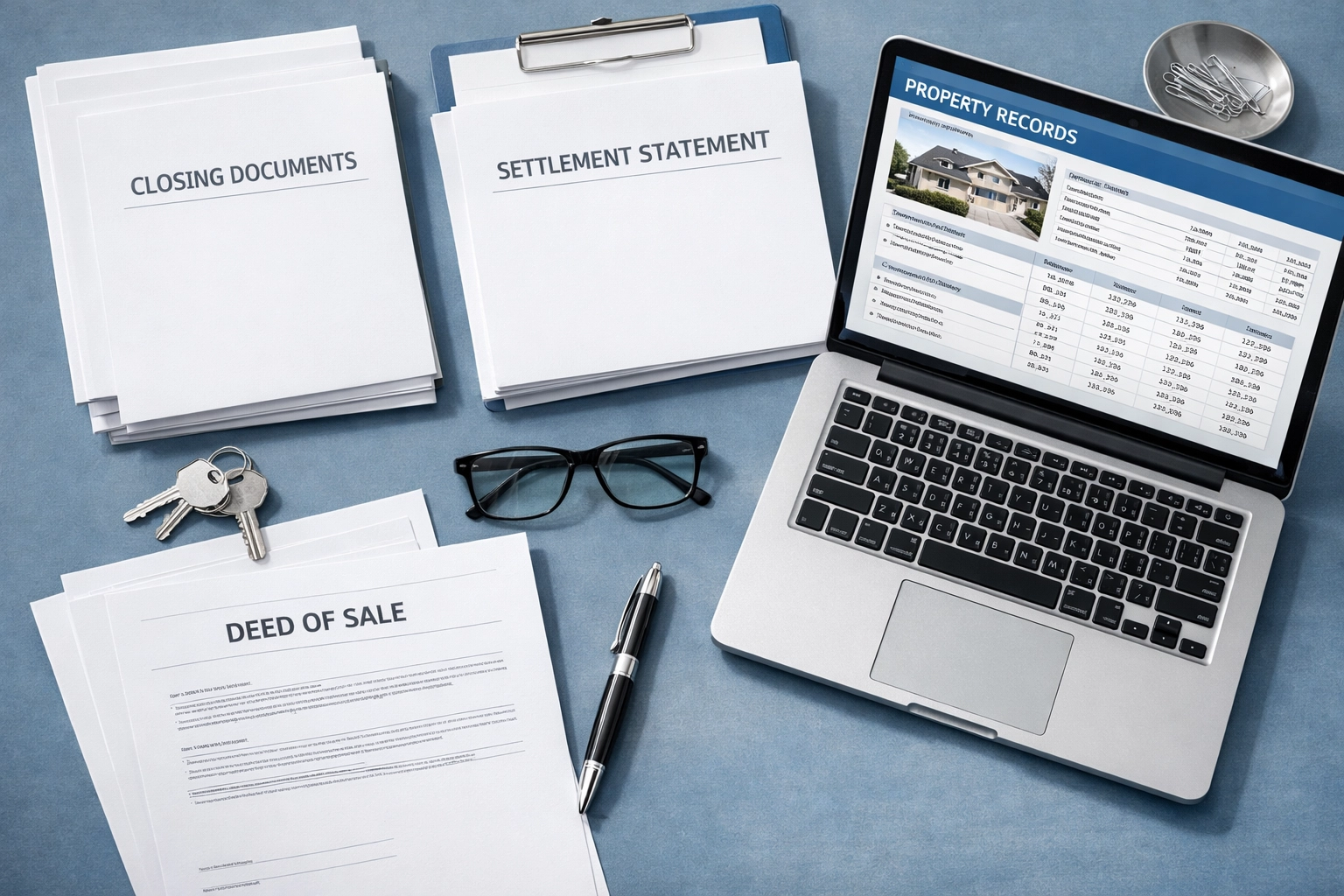
What to Do When You Receive Your Title Commitment
You'll typically get your title commitment before your closing date: and that's intentional. You need time to review it, ask questions, and make sure any requirements are being addressed.
Here's what to do:
Read Schedule B-I Carefully
These are the requirements that must be satisfied before closing. Make sure your closing agent or attorney is working to clear these items. If something looks off or confusing, ask.
Review Schedule B-II
These are the exceptions to your coverage. If there's a utility easement running through the backyard, that's usually standard. But if there's something unusual: like an access easement benefiting a neighbor: you should understand what that means for your future use of the property.
Ask Questions
Don't assume someone else is handling it. If you see a lien or judgment you don't understand, speak up. If a requirement seems like it won't be resolved in time, flag it immediately.
Work with Your Agent and Attorney
Your real estate agent and real estate attorney (if you have one) should review the commitment with you. They can help interpret the legalese and make sure nothing falls through the cracks.
Why Independence Title Takes This Seriously
At Independence Title, we don't treat title searches and commitments as a formality. They're the foundation of a safe, secure closing.
We've seen deals almost fall apart because of an obscure lien from a decade ago. We've helped buyers avoid properties with title defects that would have cost them tens of thousands to resolve. And we've expedited closings by proactively clearing requirements before they became last-minute emergencies.
Our job is to make sure that when you sign on the dotted line, you're getting exactly what you paid for: a property with a clear, insurable title and no hidden surprises.

The Bottom Line
A title search uncovers the facts. A title commitment sets the terms for insurance. Together, they're your safety net: the thing standing between you and a potential legal or financial disaster.
Don't rush through the title process or treat it as a box to check. Take the time to understand what's in your commitment, ask questions, and make sure every requirement is satisfied before closing day.
Because once you close, that property is yours: along with any title issues that weren't resolved. Let's make sure there aren't any.
Need help understanding your title commitment or have questions about a title search? Reach out to our team at Independence Title. We're here to make your Florida closing as smooth and stress-free as possible.