

You bought your dream vacation home in Florida. It sits empty most of the year while you're back home in New York, Chicago, or Toronto. You pay the mortgage, cover the insurance, and look forward to those weeks when you can escape the cold and enjoy your slice of paradise.
Here's the problem: criminals know your home is empty too. And while you're hundreds or thousands of miles away, someone can forge your signature, file a fraudulent deed at the county clerk's office, and claim they now own your property.
It sounds like something out of a crime thriller, but title theft is real, it's growing, and vacation homes are prime targets. The good news? You can protect yourself even when you're not in Florida. Here's exactly how to do it.
Why Vacation Homes Are Magnets for Title Thieves
Title theft happens when a criminal forges documents to transfer your property into their name or takes out a fraudulent mortgage against your equity. They target vacation homes because these properties have three characteristics that make fraud easier to pull off:
They're vacant most of the year. No one notices when mail gets redirected or when someone shows up claiming to be the new owner. By the time you find out, the fraudster has already refinanced your home or sold it to an unsuspecting buyer.
You're not monitoring local records. When you live out of state, you're not checking the Broward County Property Appraiser's website every month. You're not watching for strange documents filed at the clerk's office. Criminals count on that gap.
They have significant equity. Vacation homes in South Florida: especially in Fort Lauderdale, Miami, and the Keys: often have substantial value. That makes them attractive targets for thieves looking to extract cash through fraudulent loans or quick sales.

The FBI reports that real estate and rental fraud resulted in losses exceeding $350 million in 2023. A significant chunk of those cases involved deed fraud targeting absentee owners.
Your 6-Step Protection Plan
Protecting your vacation home doesn't require you to move to Florida or hire a private investigator. It requires you to set up the right systems and partner with professionals who take fraud prevention seriously. Here's your playbook.
1. Sign Up for Property Alert Services Immediately
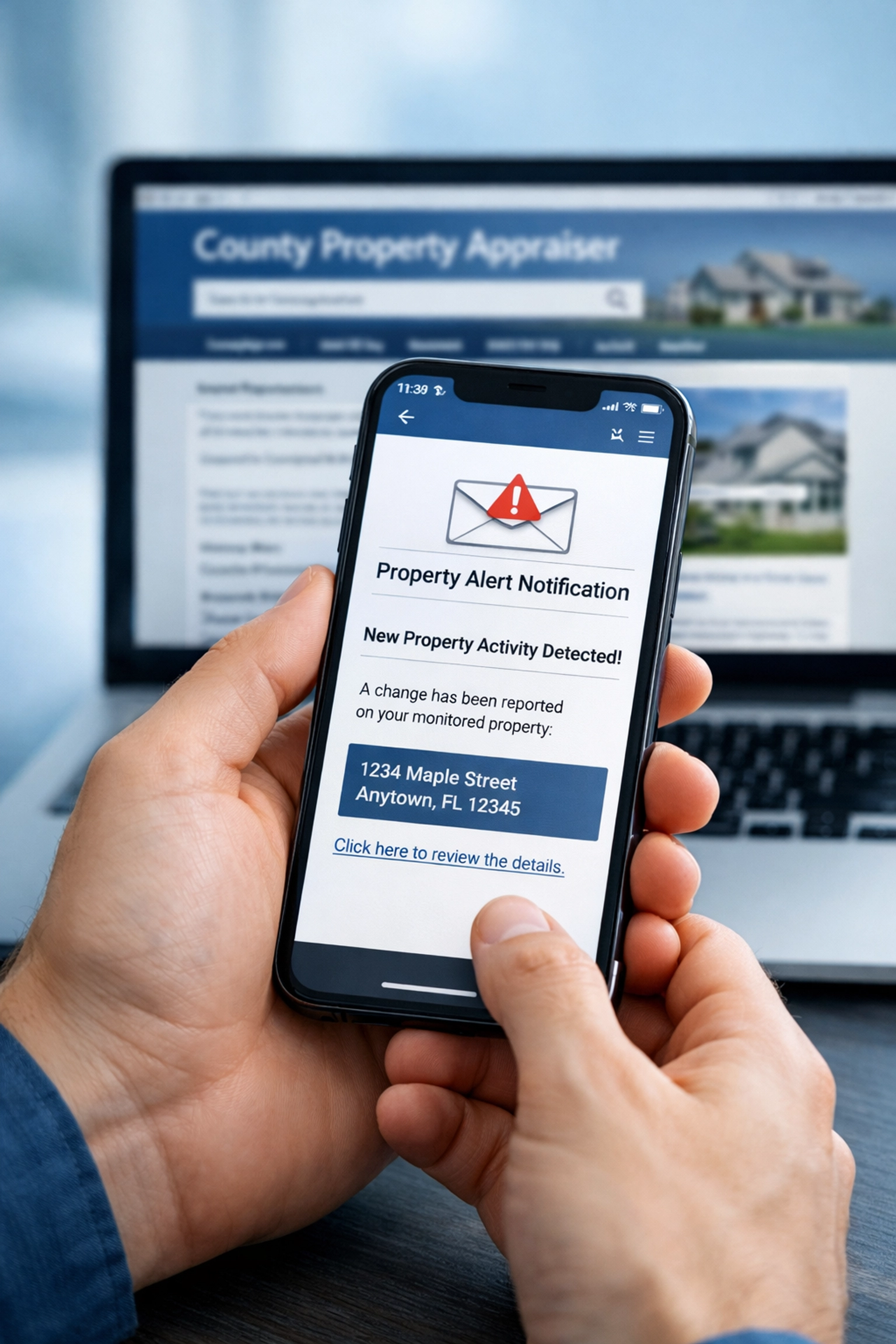
This is your first line of defense, and it's free. Most Florida counties offer Property Alert programs through the clerk's office or Property Appraiser. When you register, you'll receive email notifications every time a document is filed against your property: whether it's a deed, mortgage, lien, or easement.
Here's how to sign up in Broward County:
- Visit the Broward County Property Appraiser's website
- Navigate to the Property Alert section
- Enter your property address and email
- Confirm your registration
You'll get instant alerts the moment someone files a document in your name. This doesn't prevent the fraud, but it catches it early: often within 24 hours of filing: so you can act before the damage spreads.
Set up alerts for every property you own in Florida, not just your vacation home. If you own investment properties or land, register those too.
2. Get Owner's Title Insurance (If You Don't Already Have It)
You probably got lender's title insurance when you bought your vacation home. That protects the bank, not you. What you need is an owner's title insurance policy.
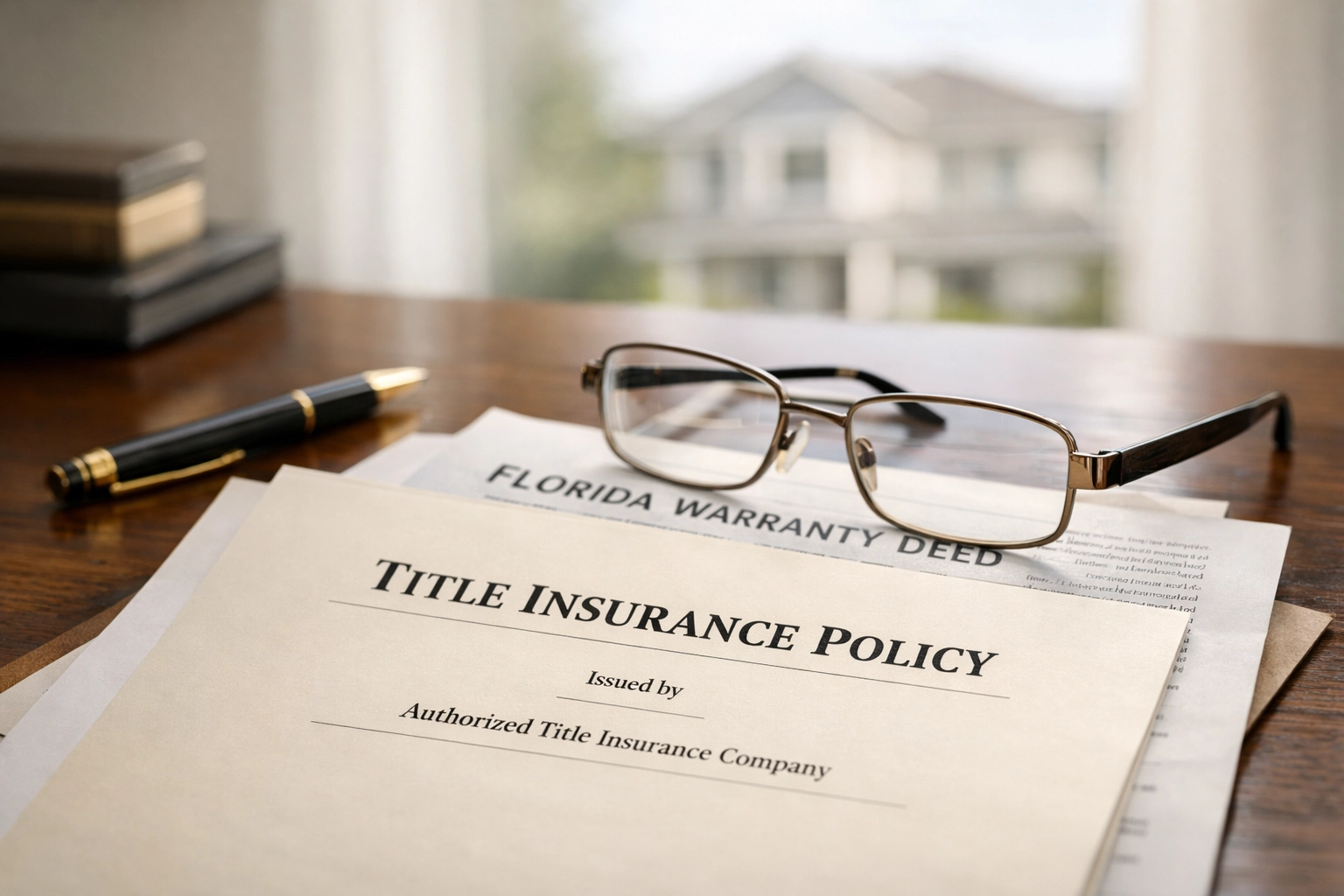
This policy protects your ownership rights and covers legal costs if someone challenges your title with a fraudulent deed or claim. If a scammer files a fake deed and you have to go to court to prove you still own your home, your title insurance pays for your attorney, court costs, and any financial losses up to your policy limit.
Owner's title insurance is a one-time cost paid at closing and lasts as long as you or your heirs own the property. If you didn't buy it when you purchased your home, you can still get it now. Contact a Broward County title company to discuss your options.
3. Monitor Public Records Every Quarter
Even with Property Alerts set up, you should manually check public records every few months. Sometimes alerts fail, emails go to spam, or documents get filed under slight variations of your name.
What to check:
- Ownership records at the Broward County Clerk's office website
- Property tax records to confirm you're still listed as the owner
- Outstanding liens or judgments filed against your address
Set a reminder on your calendar every three months. It takes 10 minutes and could save you months of legal headaches.
4. Partner with a Title Company That Verifies Identities Strictly
If you ever sell, refinance, or transfer your vacation home, make sure you work with Florida title insurance companies that enforce strict identity verification protocols.
At Independence Title, we require:
- Government-issued photo ID for every party to the transaction
- In-person or video-verified signing for all documents
- Dual verification when wire instructions change
- Fraud detection software that flags suspicious documents
Fraudsters rely on sloppy processes and overwhelmed clerks. When your title company treats every transaction like a potential fraud attempt, criminals move on to easier targets.
5. Consider Additional Protection Services
Property Alert systems are reactive: they notify you after a document is filed. If you want proactive protection, consider services like LandLock or similar deed monitoring platforms.
These services place a "lock" on your property records that makes it nearly impossible for anyone to file a deed or mortgage without your explicit authorization. Some services link your identity to your property without revealing that identity publicly, which makes it significantly harder for fraudsters to forge convincing documents.
These services typically cost between $100-$300 per year per property. For high-value vacation homes in South Florida, that's a small price for an extra layer of defense.
6. Watch Your Tax Records
Criminals sometimes change the mailing address on your property tax account so you don't receive bills or notices. They do this to delay your discovery of the fraud while they execute their scheme.
Check your property tax account with the Broward County Tax Collector's office at least twice a year. Make sure:
- Your mailing address is correct
- Your exemptions are still in place
- No one has requested a change of address
If your address gets changed without your authorization, that's a massive red flag. Contact the Tax Collector's office immediately.
What to Do If You Suspect Title Theft
If you receive a Property Alert notification for a document you didn't authorize, or if you discover a fraudulent deed during your quarterly check, here's what to do:
Act immediately. Time matters. The longer a fraudulent deed sits on the record, the more complicated the cleanup becomes.
- File a police report with your local law enforcement agency in Florida
- Contact a real estate attorney who specializes in title disputes
- Notify the county clerk's office and request that they flag your property
- Reach out to your title insurance company if you have owner's coverage
- File a Quiet Title action to remove the fraudulent deed and restore clear ownership
Your attorney will guide you through the Quiet Title process, which is a lawsuit that asks the court to declare you the rightful owner and remove any fraudulent claims from your property records.
Do not try to negotiate with the fraudster. You're not dealing with a misunderstanding: you're dealing with a criminal. Let law enforcement and your attorney handle it.
Why This Matters More Than Ever
Title theft isn't new, but the tools criminals use are more sophisticated than ever. With AI-generated signatures, deepfake technology, and digital document forgery, fraudsters can create convincing fake IDs and deeds that fool even experienced clerks.
You can't rely on the county clerk's office to catch fraud before it's filed. Their job is to record documents, not investigate their legitimacy. That means the burden of protection falls on you and the professionals you choose to work with.
When you're managing a vacation home from out of state, that protection requires you to set up systems that work even when you're not physically present. Property Alerts, title insurance, quarterly checks, and partnerships with fraud-conscious title companies give you the defensive layers you need.
We're Here to Help Protect What's Yours
At Independence Title, we know that your Florida vacation home represents more than an investment. It's your family's retreat, your future retirement plan, or your legacy for your kids. That's why we treat every transaction with the same level of scrutiny: whether you're buying, selling, refinancing, or just need advice on protecting your property while you're out of state.
If you have questions about title insurance, Property Alert systems, or how to verify your ownership records, reach out to our team. We'll walk you through the specific steps for your property and make sure you have the protection you need.
Your vacation home should be a source of joy, not stress. Let's keep it that way.