

You've heard the buzz about new federal reporting rules for real estate transactions. You've seen the headlines. And now you're wondering: does my Florida cash deal actually trigger this FinCEN reporting requirement?
The short answer is: it depends on who's buying the property.
Starting March 1, 2026, the Financial Crimes Enforcement Network (FinCEN) is rolling out a new reporting rule for non-financed residential real estate transfers. This isn't another tax form or a permitting requirement. This is a federal anti-money laundering measure that targets specific types of cash deals: and if your transaction qualifies, someone has to file a Residential Real Estate Report with the federal government.
Let's break down exactly what triggers this rule, what information gets reported, and how your title company in Fort Lauderdale can help you navigate it without breaking a sweat.
What Is the FinCEN Residential Real Estate Rule?
The FinCEN rule is designed to increase transparency in cash real estate transactions that historically have been used to hide illicit funds. By requiring reporting on beneficial ownership: the actual people behind entities and trusts: the federal government aims to combat money laundering, fraud, and other financial crimes.
Here's what makes this different from everything else you've dealt with in a Florida closing: this isn't about taxes, liens, or zoning. This is about who actually owns the property after the deal closes.
If your transaction triggers the rule, a Residential Real Estate Report must be filed through FinCEN's BSA E-Filing System. The report includes identifying information about the entity or trust purchasing the property, plus details about the individuals who exercise substantial control or own 25% or more of that entity.
The Three Conditions That Trigger Reporting
Not every cash deal requires a FinCEN report. The rule only applies when all three of these conditions are met:
1. The Property Is Residential Real Property
This includes:
- Single-family homes
- Condominiums
- Townhouses
- Vacant land intended for residential use
Commercial properties, agricultural land, and industrial parcels are not covered under this rule.
2. The Transfer Is Non-Financed
A "non-financed transfer" means the buyer isn't using a traditional mortgage or loan product from a regulated financial institution. Cash deals qualify. So do transactions where a buyer uses personal funds, proceeds from selling another property, or financing from a private lender that isn't a bank or credit union.
Here's the key distinction: if you're getting a mortgage from a bank, your lender is already subject to federal Know Your Customer (KYC) and anti-money laundering rules. FinCEN isn't worried about those deals. It's the all-cash transactions: where no regulated financial institution is involved: that trigger this reporting requirement.
3. The Transferee Is a Legal Entity or Trust
This is the big one. If you're buying the property as an individual (just you, or you and your spouse), the FinCEN rule does not apply. Period.
But if you're purchasing through an LLC, corporation, partnership, or trust, the reporting requirement kicks in. This is because entities and trusts can obscure the identity of the actual owners: and that's exactly what FinCEN wants to expose.
So if you're a Florida investor buying a rental property in your LLC's name with cash, your deal triggers the rule. If you're buying your personal residence as an individual with cash, it does not.
What Information Gets Reported?
If your transaction is reportable, the filing includes:
- Property details: address, legal description, purchase price
- Entity or trust information: name, formation documents, EIN
- Beneficial ownership information: names, addresses, dates of birth, and identification documents for individuals who exercise substantial control over the entity or own 25% or more of it
This is similar to the beneficial ownership information that many entities are already required to file under FinCEN's Corporate Transparency Act. If you've already filed a BOI report for your LLC, some of this information will feel familiar.
The goal is transparency. FinCEN wants to know who the real people are behind the entity buying the property.

Who Files the Report and When?
Here's the good news: you don't have to file it yourself.
The rule designates a "reporting person" who is responsible for filing the Residential Real Estate Report. In most cases, that's the closing agent or settlement agent listed on your settlement statement: your title company.
At Independence Title, we're already preparing our systems and workflows to handle FinCEN reporting for eligible transactions. If your deal triggers the rule, we'll file the report on your behalf as part of the closing process. You won't need to log into a federal database or navigate a complex filing system.
The report must be filed by the later of:
- 30 calendar days after closing, or
- The last day of the month following the month of closing
For example, if your transaction closes on March 15, 2026, the report is due by April 30, 2026 (the last day of the month following March).
What This Means for Florida Buyers
If you're closing on a residential property in Florida after March 1, 2026, here's what you need to know:
If you're buying as an individual, relax. This rule doesn't apply to you. Your all-cash purchase of a single-family home in Fort Lauderdale won't trigger FinCEN reporting.
If you're buying through an LLC or trust, prepare to provide beneficial ownership information. Your title company will need documentation on the individuals who control or own significant portions of your entity. This might include:
- Operating agreements
- Trust documents
- Ownership lists
- Identification for each beneficial owner (driver's license, passport, etc.)
The earlier you provide this information, the smoother your closing will be. Scrambling to track down ownership details two days before closing is a headache nobody wants.
Why Investors and Entities Need to Pay Attention
Florida is one of the hottest markets in the country for real estate investors, and many of those investors purchase properties through LLCs for liability protection and tax benefits. If that's you, this rule changes your closing checklist.
Here's what you should do now:
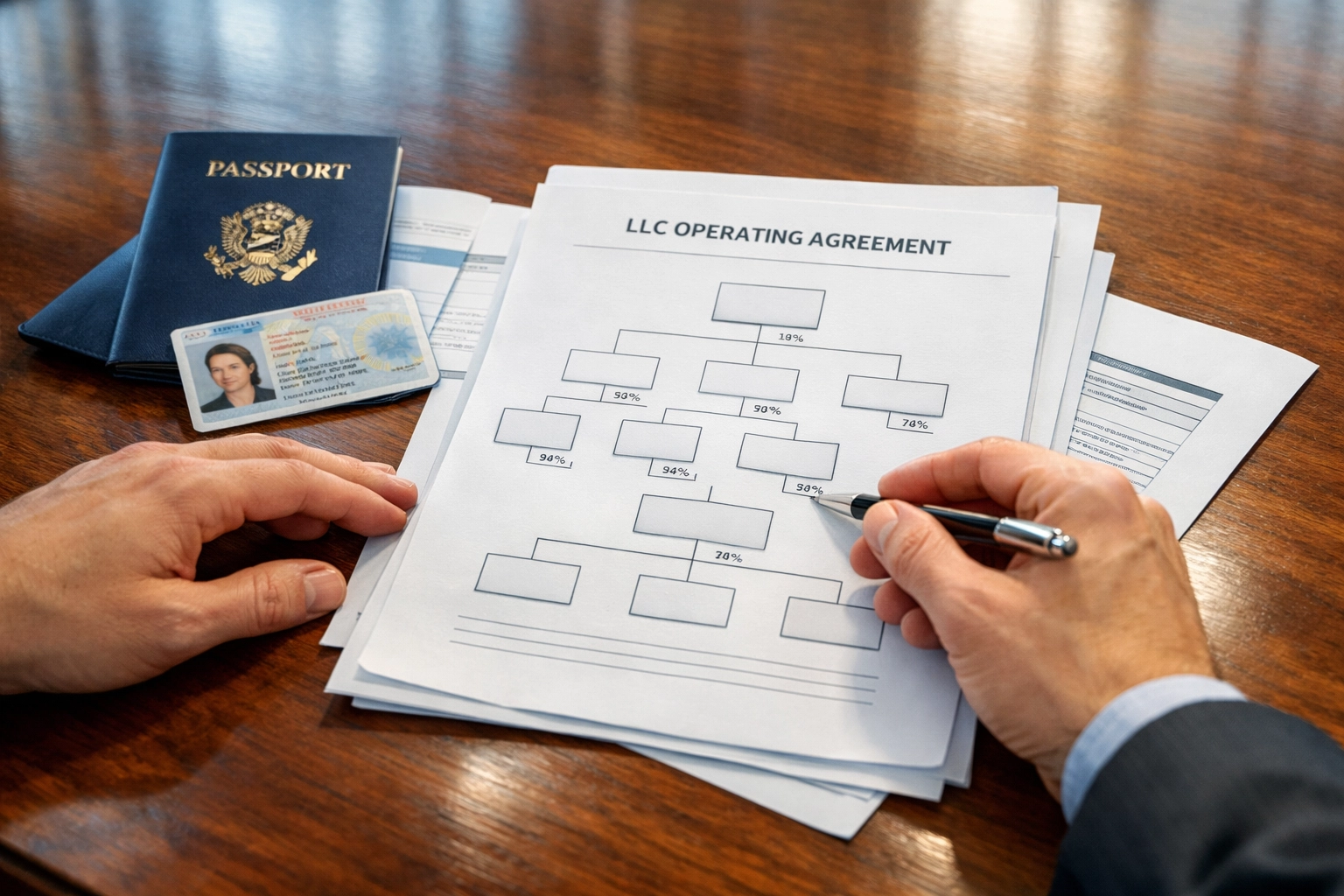
Review your entity structure. Make sure you know exactly who the beneficial owners are. If your LLC has multiple members, confirm their ownership percentages and gather their contact information.
Prepare your documents. Pull your operating agreement, formation documents, and any amendments. Your title company will need to review these to accurately identify beneficial owners.
Communicate with your title company early. Florida title insurance companies that specialize in investment properties: like Independence Title: are already building processes to handle FinCEN reporting efficiently. But the earlier you loop us in, the better.
Budget extra time for due diligence. Collecting beneficial ownership information adds a step to the closing process. It's not a major delay, but it's one more box to check before you can get to the closing table.
How Independence Title Helps You Stay Compliant
At Independence Title, we don't just process transactions. We help you navigate the constantly changing landscape of real estate regulations in Florida: from documentary stamp taxes to homestead exemptions to federal reporting requirements like this one.
Here's how we're preparing for the March 1 FinCEN deadline:
- System upgrades: We're integrating FinCEN filing capabilities into our closing workflows so reporting happens seamlessly.
- Client education: We're proactively reaching out to clients who regularly purchase through entities to explain the new requirements and gather necessary documentation.
- Compliance checklists: We're building standardized checklists for reportable transactions to ensure nothing falls through the cracks.
- Expert guidance: Our team is trained on the nuances of the FinCEN rule so we can answer your questions and address unique situations.
If you're working with a title company in Fort Lauderdale that isn't talking to you about FinCEN reporting yet, that's a red flag. This rule is weeks away, and preparation is critical.

The Bottom Line
The FinCEN Residential Real Estate Reporting rule is a significant change for anyone purchasing Florida property through an entity or trust without traditional financing. It's not optional. It's not something you can ignore. And if you're closing after March 1, 2026, you need to be ready.
The good news is that with the right preparation: and the right title company: compliance is straightforward. You provide the beneficial ownership information, and your closing agent handles the filing.
At Independence Title, we're here to make this transition as smooth as possible. Whether you're closing on your first investment property or your fiftieth, we'll walk you through exactly what's required and ensure your transaction stays on track.
Have questions about whether your deal triggers FinCEN reporting? Reach out to our team. We're here to help you close with confidence( even when the rules change.)