

If you're a real estate investor in Florida, double closings are probably part of your playbook. They're fast, they're profitable, and they let you flip contracts without tying up your own cash. But with the new FinCEN beneficial ownership reporting rule kicking in on March 1st, you might be wondering: Are my deals about to get a lot more complicated?
The short answer? Not if you know what you're doing.
Let's break down exactly how double closings work, what the new FinCEN rule means for your transactional funding and assignment deals, and how to keep your investor pipeline moving at full speed without running into compliance headaches.
What Is a Double Closing (and Why Investors Love It)
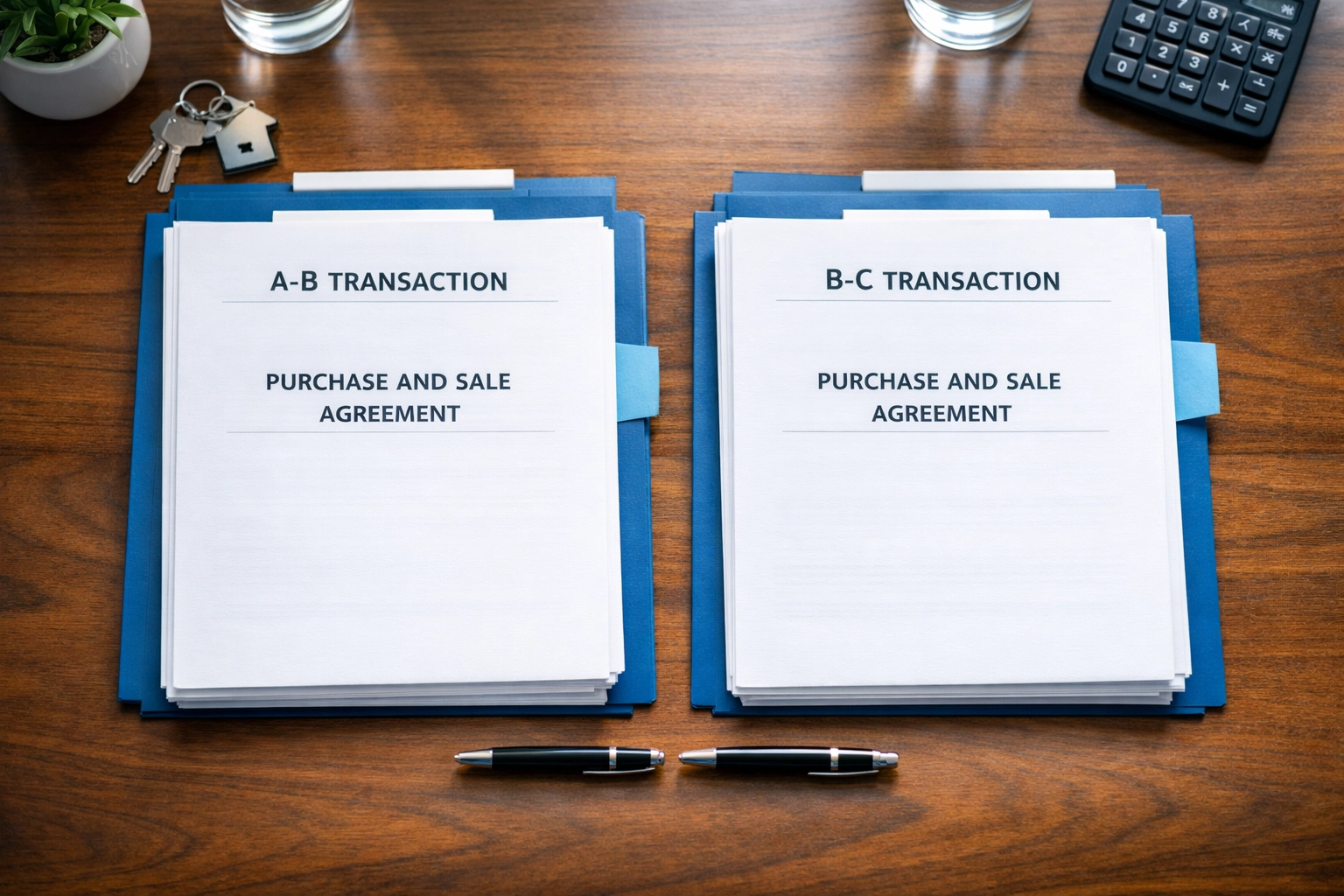
A double closing is two back-to-back transactions that happen on the same day: or within hours of each other. Here's the structure:
- Transaction 1 (A-B): You (the investor) buy a property from the original seller.
- Transaction 2 (B-C): You immediately sell that same property to your end buyer for a higher price.
You pocket the difference. Simple, right?
The beauty of a double closing is that you actually take title to the property, even if it's just for a few hours. This gives you more credibility than a simple assignment of contract, where you're just flipping paperwork. End buyers often prefer double closings because they don't see your profit margin: the original seller never knows what you sold it for, and the end buyer doesn't know what you paid.
Why investors love double closings:
- You don't need your own cash: you use transactional funding or "flash cash" to close the first transaction, then immediately pay it back with the second closing.
- You maintain privacy on your spread.
- You physically hold title, which builds trust with end buyers who are wary of assignment deals.
- It's legal in Florida and most states, as long as you're transparent and properly documented.
Enter the New FinCEN Rule: What Changed on March 1st
Here's where things get interesting. On March 1st, 2026, the Financial Crimes Enforcement Network (FinCEN) implemented new beneficial ownership reporting requirements for certain real estate transactions.
What does this mean in plain English?
FinCEN now requires title companies and other reporting entities to collect and report information about the beneficial owners behind real estate purchases in specific situations: especially when the transaction involves:
- All-cash deals (no financing)
- Purchases made through LLCs, trusts, or other entities
- Transactions in high-risk areas or involving large amounts
The goal? Combat money laundering, fraud, and other shady financial activity by shining a light on who's really behind the transaction.
For investors doing double closings, this adds a layer of reporting that didn't exist before: but it doesn't kill your deals.
How the FinCEN Rule Impacts Your Double Closings
Let's get tactical. Here's what you need to know about how the new rule affects your typical investor transactions:
Transactional Funding Just Got More Visible
If you're using transactional funding (flash cash) to close the A-B transaction, the lender and title company now need to verify and potentially report beneficial ownership information. That means:
- You'll need to provide documentation showing who ultimately controls the buying entity (even if it's just you behind an LLC).
- If you're using a land trust or multi-member LLC, expect to disclose the actual individuals who benefit from the transaction.
- Turnaround times might be slightly longer if your paperwork isn't in order.
Bottom line: Get your entity documents organized before you go under contract. Have your operating agreements, trust documents, and beneficial ownership info ready to go.
Assignment of Contract Deals Face Similar Scrutiny
Even if you're not doing a full double closing, assignment deals aren't exempt. If you're assigning a contract to an end buyer who's purchasing through an entity, that buyer will need to comply with FinCEN reporting.
This won't stop your deal, but it might slow things down if your end buyer isn't prepared. Make sure they know what's coming and have their documents ready.
Cash Deals Are Under the Microscope
Double closings are typically all-cash transactions (or use transactional funding, which functions like cash). That puts them squarely in FinCEN's crosshairs. The title company handling your closing will likely need to:
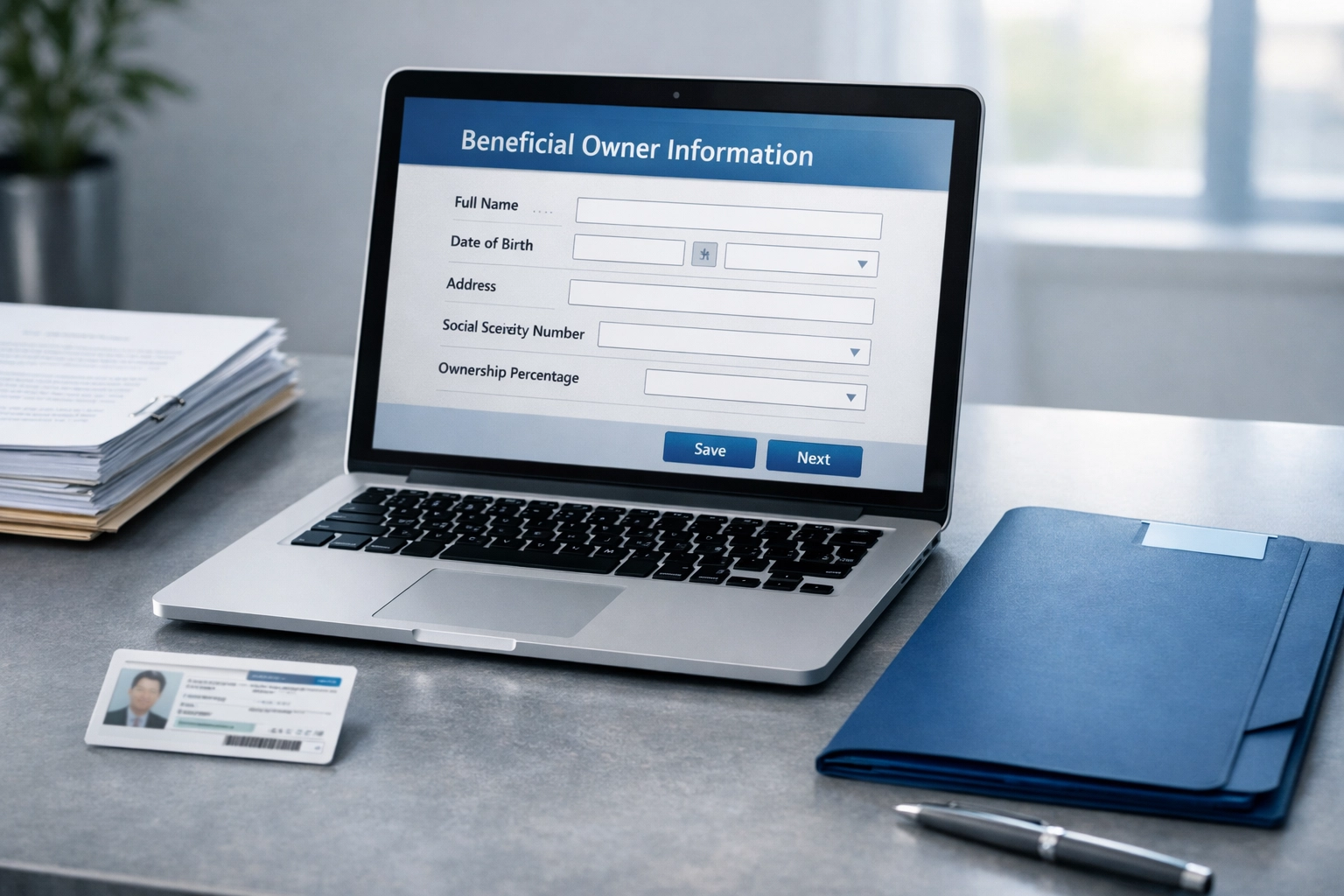
- Verify identities of all beneficial owners
- Collect government-issued IDs, proof of address, and entity formation documents
- Report the transaction if it meets certain thresholds
Pro tip: If you're closing multiple deals in the same county or with the same title company, build a relationship. Once they have your documents on file, subsequent closings move faster.

5 Tips for Keeping Your Deals Moving Fast While Staying Compliant
You don't have to choose between speed and compliance. Here's how to keep your investor deals humming along without FinCEN hiccups:
1. Get Your Entity Docs Tight (Right Now)
Don't wait until you're under contract. Have clean, up-to-date copies of:
- LLC operating agreements with beneficial ownership clearly stated
- Trust documents showing trustees and beneficiaries
- Articles of organization or incorporation
- Government-issued IDs for all beneficial owners
Store these in a shared folder (Google Drive, Dropbox, whatever) so you can fire them over to your title company or lender within minutes.
2. Vet Your End Buyers Early
If you're wholesaling to another investor, ask them upfront: Are you buying in your personal name or through an entity? If it's an entity, make sure they know they'll need to provide beneficial ownership documentation. The last thing you want is a deal falling apart at closing because your buyer didn't have their paperwork ready.
3. Work With a Title Company That Knows Investor Deals
Not all title companies are created equal. You need a team that understands double closings, transactional funding, and the new FinCEN requirements. At Independence Title, we've been handling complicated investor transactions for years: we know exactly what documentation you need, and we can turn around closings fast without cutting corners on compliance.
4. Build in Extra Time for First-Time Buyers
If your end buyer is new to real estate investing or hasn't closed a deal since March 1st, they might not be aware of the new reporting requirements. Build in an extra day or two on your closing timeline to account for any last-minute document requests. It's better to under-promise and over-deliver than to scramble at the eleventh hour.
5. Communicate With Your Transactional Lender Upfront
If you're using a transactional funding company, call them before you go under contract. Ask:
- What beneficial ownership documentation do they require now?
- Has their turnaround time changed since March 1st?
- Are there any deal structures they won't fund under the new rule?
Some lenders have adjusted their processes more than others. Knowing this upfront saves you headaches later.
Why Working With the Right Title Company Makes All the Difference
Here's the truth: FinCEN compliance isn't optional, but it also shouldn't slow you down if you're working with pros who know what they're doing.
At Independence Title, we specialize in complicated deals: double closings, simultaneous closings, 1031 exchanges, you name it. We've already adapted our processes to meet the new FinCEN requirements, and we've streamlined documentation collection so your deals close fast.
What we bring to the table:
- Fast turnaround on title work, even with FinCEN reporting
- Clear communication on what documents you need (and when)
- Experience handling high-volume investors who need speed and accuracy
- A team that understands creative deal structures and transactional funding
We're not going to slow you down with unnecessary red tape: but we're also not going to cut corners and put you at risk. You get both speed and compliance, every time.

The Bottom Line: You Can Still Move Fast
The new FinCEN rule isn't the end of double closings or investor deals. It's just a new layer of compliance: and like everything else in real estate investing, you adapt, you prepare, and you keep moving.
The investors who will thrive under the new rule are the ones who:
- Keep their entity documents organized and accessible
- Build relationships with title companies who specialize in investor transactions
- Communicate early and often with lenders, buyers, and partners
- Plan for slightly longer closing timelines (at least initially)
If you're doing deals in Broward County, Palm Beach County, or anywhere in South Florida, we'd love to help you navigate this new landscape. Reach out to our team at Independence Title: we'll walk you through exactly what you need to keep your investor deals moving at full speed.
Because at the end of the day, the new rule doesn't change the fundamentals: find good deals, move fast, and work with people who know what they're doing. We've got your back on that last part.