

You've heard the horror stories. The wire transfer that vanished into thin air. The fraudulent deed that emptied someone's equity overnight. The data breach that exposed thousands of Social Security numbers.
Every title company in Broward County will tell you they have "secure systems." But in 2026, that phrase should mean a whole lot more than a locked file cabinet and a firewall from 2018.
If you're choosing a title company in Broward County, whether you're buying a condo in Fort Lauderdale or closing on a commercial property in Coral Springs, you deserve to know exactly what security looks like. Not the marketing version. The real version.
Let's break down what "secure systems" should actually mean at a Broward County title company today, and what questions you need to ask before you hand over your life savings.
The New Baseline: What Security Looked Like vs. What It Should Be
Five years ago, a title company could get away with basic antivirus software and email encryption. Today? That's like showing up to a gunfight with a butter knife.
Wire fraud alone cost real estate buyers over $396 million in 2022, according to the FBI. Business Email Compromise (BEC) attacks have become so sophisticated that even tech-savvy buyers fall for them. And title companies, holding massive amounts of personal data and facilitating six-figure wire transfers, are prime targets.
So when a title company in Fort Lauderdale says they're "secure," here's what should be standard practice in 2026.
The Six Security Layers Every Title Company Should Have
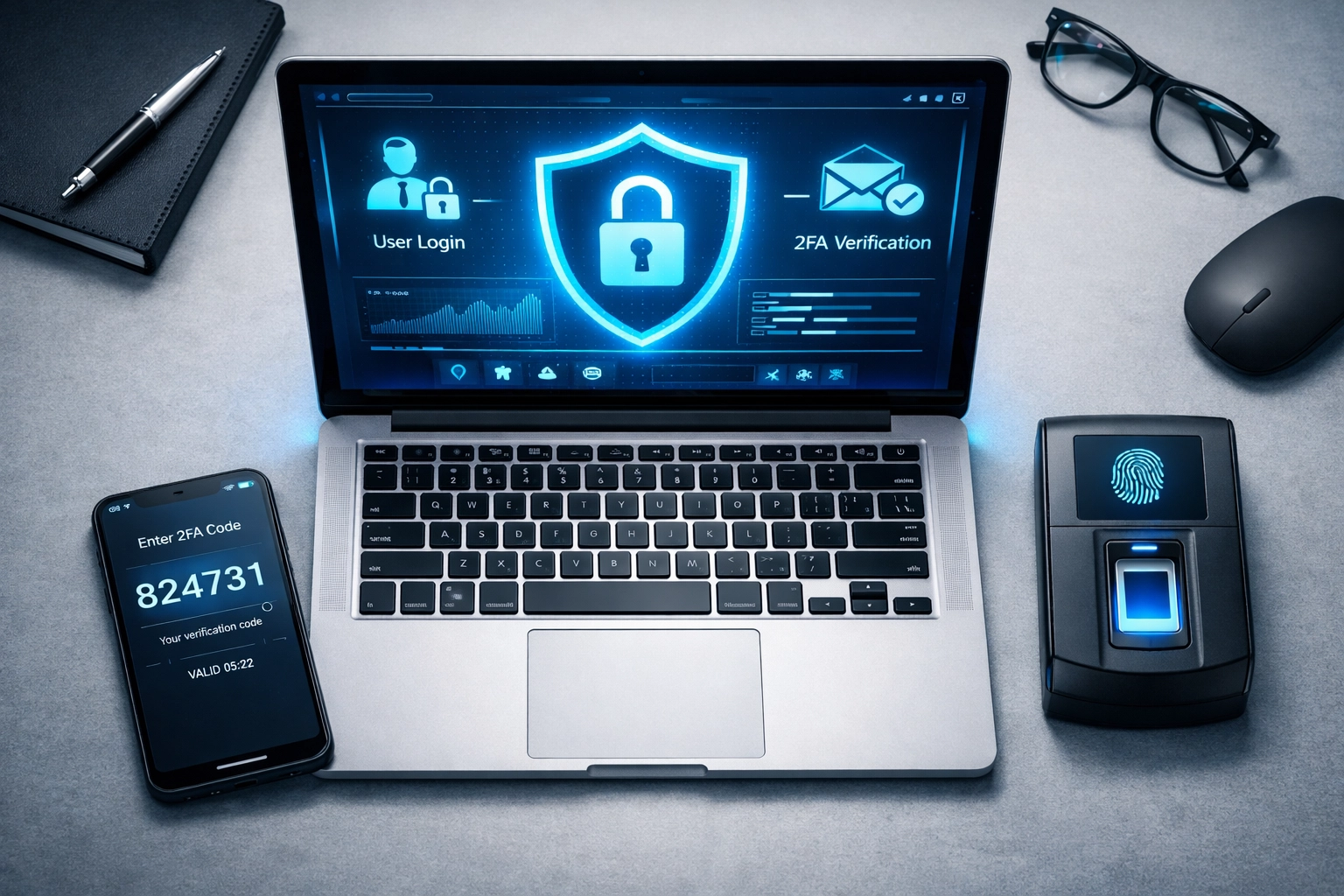
1. Multi-Factor Authentication (MFA) Everywhere
Your bank requires it. Your email probably requires it. Your title company absolutely should require it.
What it means: Every person accessing your file, agents, processors, closers, you, should need more than just a password. That means a text code, an authenticator app, or a biometric scan.
Why it matters: Passwords get stolen. They get guessed. They get phished. MFA stops 99.9% of automated attacks in their tracks.
Red flag: If your title company sends you login credentials via email with no second verification step, that's a problem.
2. Encrypted Client Portals (Not Email Attachments)
Here's a question: When was the last time your title company sent you a PDF of your closing disclosure as an email attachment?
If the answer is "yesterday," you should be concerned.
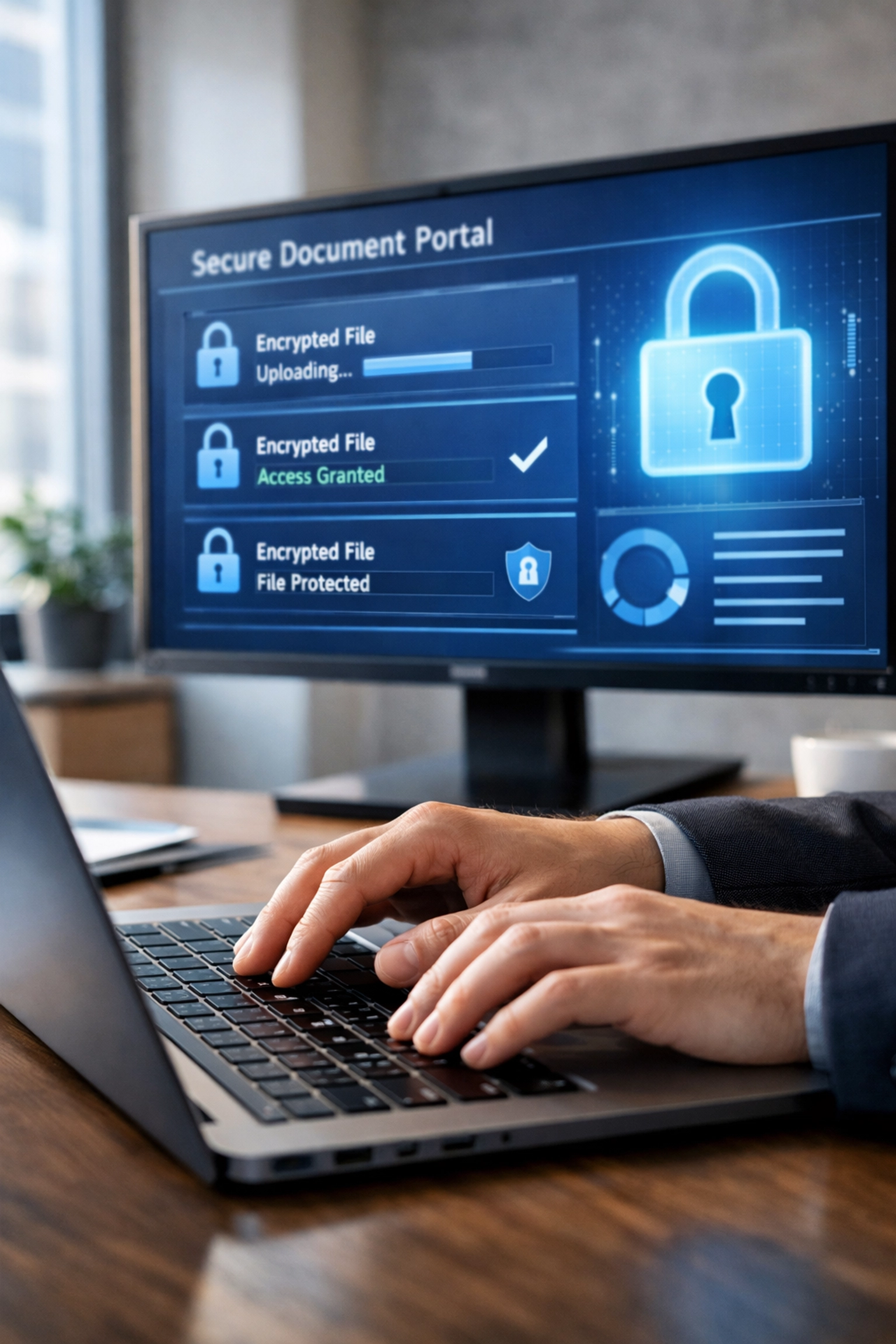
What it should be: A secure, encrypted portal where all documents live. You log in with MFA, view your files, upload documents, and everything stays behind multiple layers of protection.
Why it matters: Email isn't secure. Period. When documents travel through regular email, they pass through multiple servers, any of which could be compromised. Encrypted portals keep everything in one controlled environment.
3. Call-Back Verification for Wire Instructions
This one's non-negotiable. If you're wiring money, whether it's $50,000 or $5 million, your title company should have a mandatory call-back verification protocol.
How it works: You receive wire instructions. Before you send anything, you call a verified phone number (not one listed in the email) and confirm every detail with a licensed agent who verifies the account information verbally.
Why it matters: Wire fraud schemes are getting scary good. Hackers compromise email threads, swap out account numbers at the last minute, and disappear with your down payment. A simple phone call stops this cold.
What to ask: "What's your protocol for verifying wire instructions, and is it mandatory for every transaction?"
4. Role-Based Access Controls
Not everyone in a title company needs access to everything. Your closing agent doesn't need to see the CEO's financial records. The receptionist doesn't need access to your bank statements.
What it means: Digital systems should restrict access based on role and necessity. Audit trails should track who viewed what and when.
Why it matters: Internal threats are real. Disgruntled employees, careless contractors, or simple human error can expose data. Access controls minimize the damage if someone's credentials are compromised.
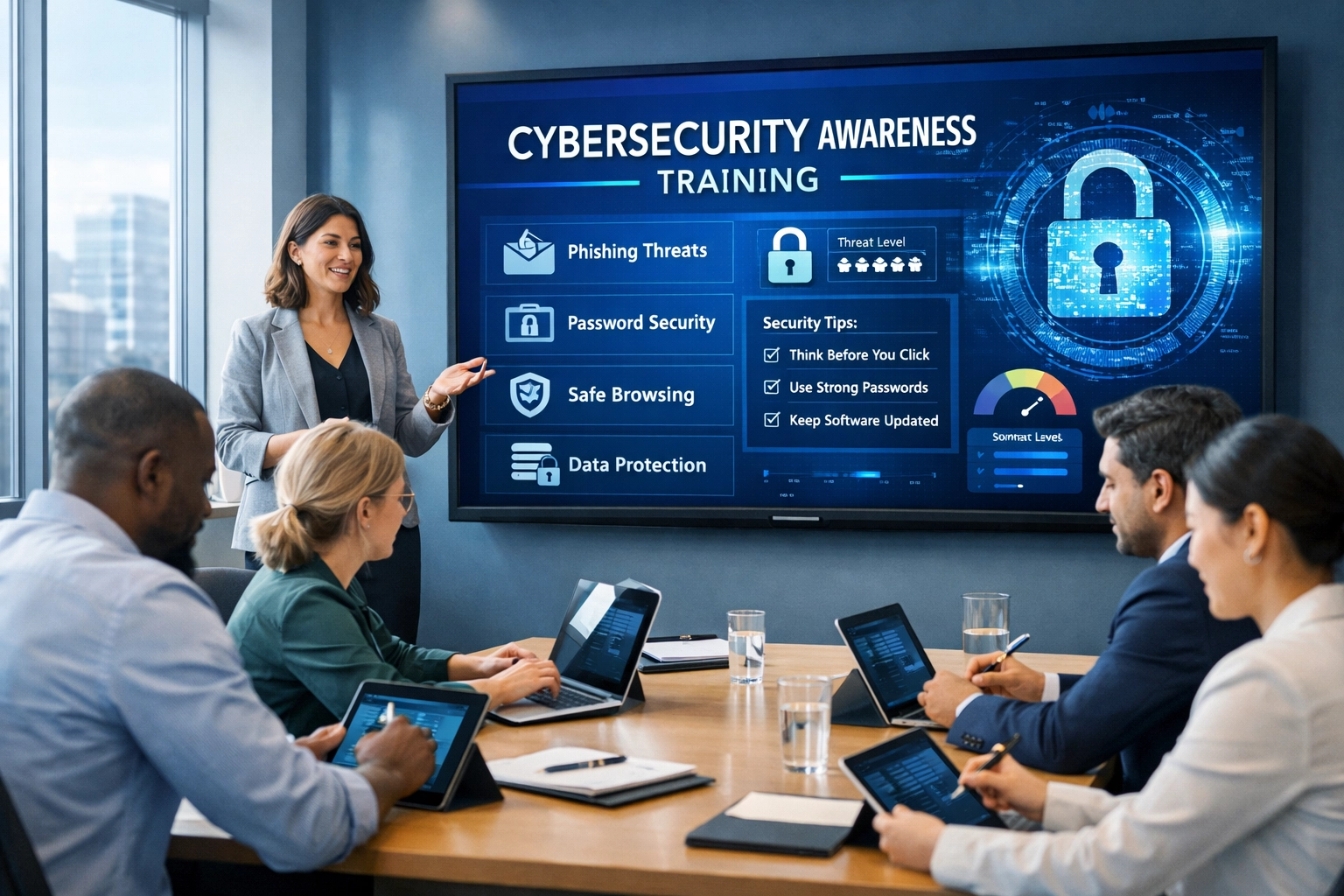
5. Ongoing Staff Training (Not Just Annual Compliance Videos)
Technology is only as secure as the people using it.
What it should include:
- Regular phishing simulations to test staff awareness
- Quarterly security updates on new threats
- Clear protocols for handling suspicious emails or requests
- Incident response drills
Why it matters: The weakest link in any security system is the person who clicks "yes" on the wrong popup or responds to a fake CEO email requesting a wire transfer.
What to ask: "How often does your team receive security training, and what does that look like?"
6. Incident Response Plan (And the Team to Execute It)
Hope for the best, plan for the worst.
What it means: If something goes sideways: a data breach, a compromised system, a suspected fraud attempt: your title company should have a documented plan, a designated response team, and relationships with cybersecurity experts.
Why it matters: The difference between a contained incident and a catastrophic breach often comes down to the first 24 hours. Fast response minimizes damage.
What to ask: "If there's a security incident, what's your response protocol, and who leads it?"

Questions to Ask Your Title Company Before You Sign
Don't be shy. These are legitimate questions, and any reputable title company in Broward should answer them confidently:
-
"Do you comply with ALTA Best Practices?" (The American Land Title Association sets industry security standards: compliance isn't optional if they're serious about security.)
-
"What underwriters back your policies, and what security audits do they require?" (Major underwriters enforce strict security standards.)
-
"How do you handle wire transfer instructions, and is verbal verification mandatory?"
-
"What happens if my data is compromised? Do you carry cyber liability insurance?"
-
"Can I access my file 24/7 through a secure portal, or will documents be emailed?"
-
"Who has access to my personal information, and how is that access controlled?"
-
"What security certifications or audits has your company completed?"
If they hesitate, deflect, or give vague answers like "We take security very seriously," keep looking.
What Security Looks Like at Independence Title
At Independence Title, secure systems aren't a marketing line: they're the foundation of how we operate.
Our IT infrastructure includes encrypted portals, mandatory MFA, and real-time monitoring for suspicious activity. We don't email sensitive documents. We don't cut corners on verification protocols. And we don't assume last year's security measures are good enough for 2026.
Our communication protocols mean you'll never wire money based on an email alone. Call-back verification isn't optional: it's standard on every transaction. We use verified phone numbers, secondary confirmation channels, and licensed agents who know what red flags look like.
Our licensed agents aren't just processing paperwork: they're trained to spot fraud, ask the right questions, and protect your transaction from start to finish. Because technology alone doesn't stop fraud. People do.
We've been serving Broward County since 2003, backed by multi-billion dollar underwriters who audit our security practices regularly. When you close with us, you're working with a team that treats your money and your data like it's our own.
The Bottom Line
Choosing a Broward County title company shouldn't feel like a gamble. In 2026, "secure systems" should mean layered defenses, trained people, clear protocols, and zero tolerance for shortcuts.
Ask the hard questions. Demand specifics. And don't settle for vague reassurances from companies that think "we've never had a problem" counts as a security strategy.
Your home purchase is likely the biggest financial transaction of your life. The title company you choose should be obsessive about protecting it.
Want to know more about our security protocols or discuss your upcoming closing? Contact us: we're happy to walk you through exactly how we keep your transaction secure from contract to keys.