

You're three days from closing on your dream Florida home. Your inbox pings. Subject line: "URGENT: Updated Wire Instructions: Send Today." The email looks legitimate. The logo matches. The signature block is perfect. You're busy, the deadline is tight, and honestly? You just want this done.
So you wire $180,000.
And it's gone.
Wire fraud isn't a "what if" scenario in Florida real estate: it's an epidemic. The FBI reported over $396 million stolen through real estate wire fraud in 2023, and 2026 attacks are more sophisticated than ever. Scammers are using AI voice cloning, multi-stage social engineering, and business email compromise tactics that fool even experienced buyers.
The good news? Nearly every wire fraud case involves the same preventable mistakes. Let's walk through the five most common errors Florida buyers and agents make: and how you can shut down scammers before they steal a dime.
Mistake #1: Trusting Email Wire Instructions Without Phone Verification
This is the big one. The nuclear-level mistake that costs people their life savings.
Here's how it works: fraudsters monitor email chains between buyers, agents, lenders, and title companies. They register email addresses that look nearly identical to the real title company: maybe changing one letter, swapping a "0" for an "O," or using a slightly different domain extension (think .co instead of .com).
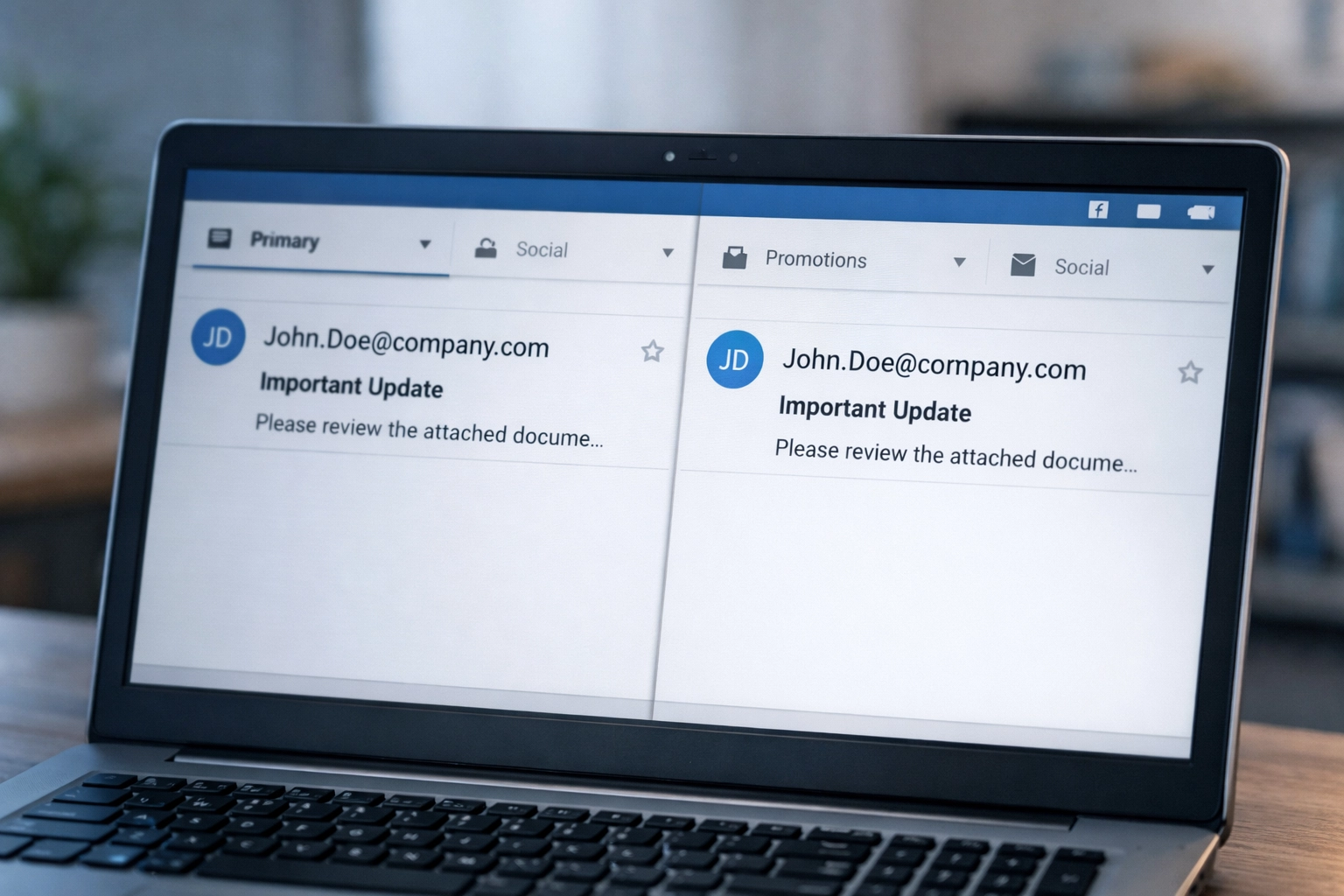
Then they wait. When closing is imminent, they send perfectly formatted wire instructions from their fake email address. The logo is right. The language sounds professional. The account and routing numbers look legitimate. And because you've been emailing back and forth for weeks, you don't question it.
The fix: Never: and we mean never: treat emailed wire instructions as gospel. The second you receive wiring instructions, stop. Pick up the phone. Call your title company using a number you verified at the beginning of your transaction. Not a number from the email. Not a number from a voicemail. Not a number you Googled five minutes ago.
Read the routing number and account number out loud. Confirm every single digit. This one phone call prevents roughly 90% of wire fraud attempts.
At Independence Title, we never send wire instructions via standard email. We use secure client portals with multi-factor authentication, and we always follow up with a verification phone call before any funds move. It's not optional. It's how closings should work.
Mistake #2: Falling for "Urgent" Wire Instruction Changes
Urgency is the scammer's favorite weapon.
"Send today or the deal falls through."
"Seller needs funds by 3 PM."
"Account changed: wire immediately."
When you see language like this in an email about wire instructions, your internal alarm should go off. Legitimate title companies don't operate like this. Real closing timelines have built-in buffers. And if there is a genuine last-minute change (rare, but it happens), your title officer will call you directly: not fire off a panicked email.
Fraudsters create artificial pressure because they know urgency clouds judgment. When you're stressed about a closing deadline, you're more likely to skip verification steps.
The fix: Slow down. Treat urgency as a red flag, not a reason to accelerate. If you receive updated wire instructions: especially with "urgent" language: assume it's fraud until proven otherwise. Call your title company using your verified number. Confirm the change is real. Take your time.
Mistake #3: Skipping Multi-Factor Authentication on Email Accounts
Most wire fraud attacks begin with a compromised email account.
If a scammer gains access to your email (or your agent's, or your lender's), they can monitor conversations, learn transaction details, and insert themselves into the chain at exactly the right moment. They'll see when wire instructions are about to be sent. They'll know the players. And they'll strike when you're most vulnerable.
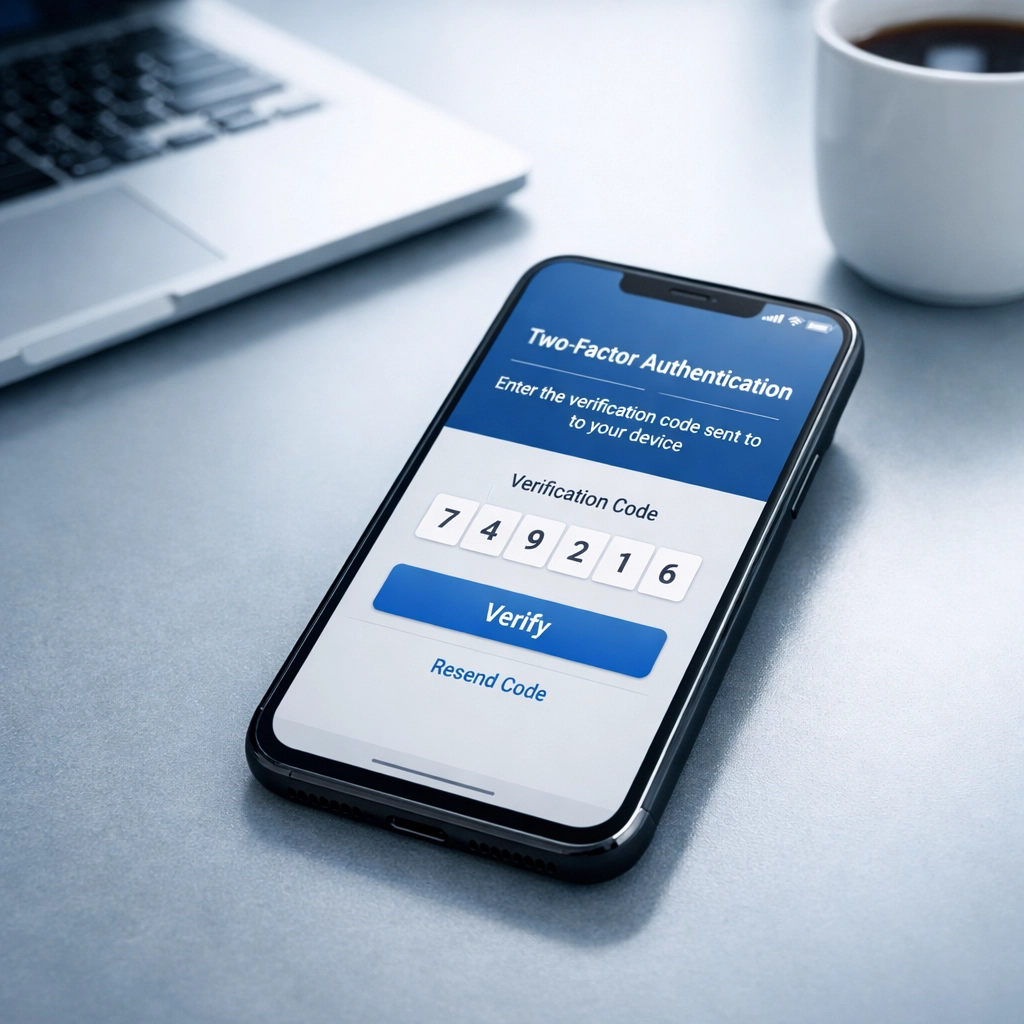
The fix: Enable multi-factor authentication (MFA) on every email account involved in your real estate transaction: personal, business, and mobile. This includes your agent, lender, and anyone else in the communication chain.
MFA requires a second form of verification (usually a code sent to your phone) before someone can access your email. Even if a scammer steals your password, they can't get in without the second factor. It's simple, free, and shockingly effective.
And while you're at it? Update your passwords. Use a password manager. Don't reuse credentials across accounts. Basic cybersecurity hygiene stops most breaches before they start.
Mistake #4: Using Standard Email for Sensitive Financial Data
Email was never designed to be a secure communication tool. It's convenient, sure. But sending account numbers, social security numbers, and wire instructions through regular email is like mailing cash in a transparent envelope.
Scammers intercept email chains. They compromise inboxes. They monitor unencrypted messages and wait for financial details to appear. And once they have your information? Game over.
The fix: Use secure portals for all sensitive data exchanges. At Independence Title, we provide encrypted client portals where you can securely access documents, wire instructions, and closing details. No unencrypted emails. No attachments floating around cyberspace. Just a password-protected, two-factor authenticated system that keeps your information locked down.
If your title company is still emailing wire instructions as PDF attachments, ask why. There are better, safer systems available in 2026: and you deserve to use them.
Mistake #5: Not Recognizing Multi-Stage Social Engineering Attacks
Wire fraud in 2026 isn't just a single fake email. It's a weeks-long campaign.
Scammers now use multi-stage attacks that build trust over time:
- Stage 1: They compromise an email account and monitor conversations silently.
- Stage 2: They send low-stakes, benign emails to establish legitimacy ("Just confirming your closing date").
- Stage 3: They escalate with AI-generated voice calls or deepfake videos that sound and look like your real agent or title officer.
- Stage 4: They deliver the final blow: fraudulent wire instructions that feel completely authentic because they've been grooming you for weeks.
This is business email compromise (BEC) at its most dangerous. And it's working. First-time home buyers are three times more likely to fall victim than experienced buyers because they don't know what "normal" looks like.
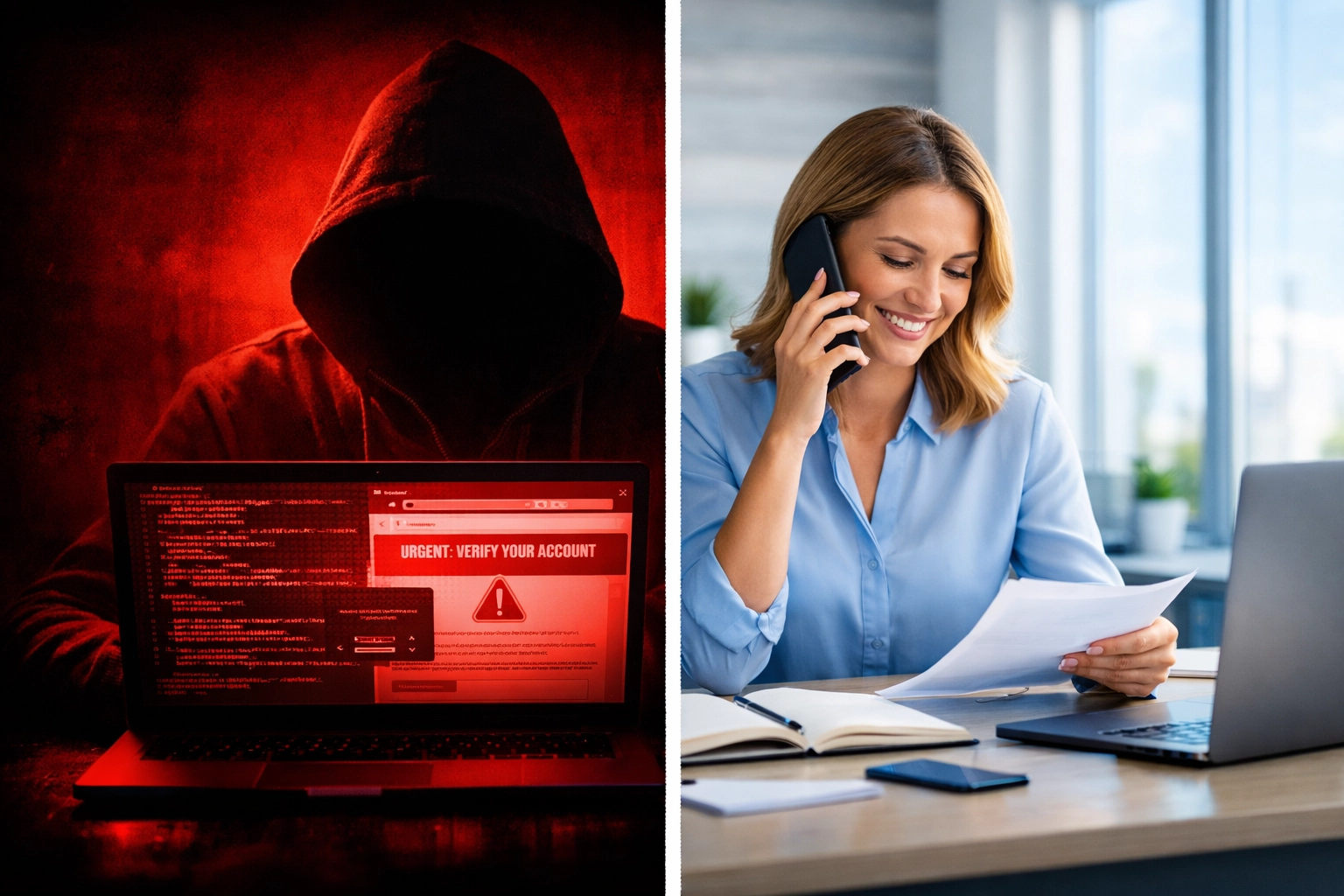
The fix: Be skeptical of anything unusual: even if it comes from a "trusted" email address. Did your agent suddenly change their tone? Is your title officer using language that feels off? Does a phone call sound slightly different than usual?
Trust your instincts. Verify through alternate channels. And remember: AI can now clone voices and faces. If something feels weird, confirm it in person or through a known-safe phone number.
How Independence Title Protects Your Closing
We take wire fraud prevention seriously: because we've seen what happens when it's treated as an afterthought.
Here's how we protect every Florida closing:
✅ Secure client portals: All wire instructions and sensitive documents live in encrypted, password-protected portals: not your email inbox.
✅ Mandatory phone verification: We call you directly using a pre-verified number to confirm wire details before any transfer happens.
✅ Two-factor authentication: Access to your closing information requires MFA. No exceptions.
✅ Fraud education from day one: We walk every buyer through common scams, red flags, and verification protocols at the start of the transaction: not the day before closing.
✅ Real-time fraud monitoring: Our team stays updated on the latest wire fraud tactics and adjusts our protocols accordingly.
Your closing should feel secure, transparent, and stress-free. If your current title company isn't offering these protections, it's worth asking why.
What to Do If You Suspect Wire Fraud
If you think you've been targeted: or worse, already wired money to a fraudulent account: time is everything.
Do this immediately:
- Call your bank. Request a wire recall. Ask for the fraud department. The first few hours are critical for recovery.
- Contact your title company using your verified phone number. Alert them to the situation.
- Report to the FBI at IC3.gov. This creates a paper trail and helps authorities track patterns.
- Freeze your accounts if you suspect broader identity theft or email compromise.
Recovery rates drop dramatically after 24 hours, so act fast.
The Bottom Line
Wire fraud in Florida real estate is preventable: but only if you treat it like the serious threat it is.
Don't trust email instructions without phone verification. Don't fall for urgency tactics. Use multi-factor authentication. Demand secure communication tools. And partner with a title company that prioritizes fraud prevention as much as you prioritize closing on time.
At Independence Title, we don't just process closings. We protect them. Because your money, your home, and your peace of mind are worth more than convenience.
Want to learn more about how we keep Florida closings secure? Visit our wire fraud prevention resources or reach out to our team. We're here to help: and to make sure your closing stays in your hands.