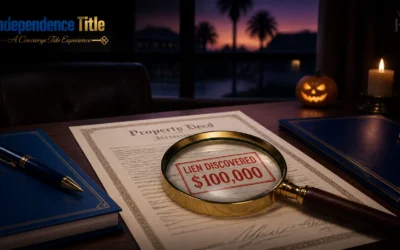

Hook: The title company can make or break your closing
A real estate closing involves many professionals. You may have a Realtor, lender, inspector, appraiser, surveyor, insurance agent, and contractor involved.
But the title company often controls the final stretch. It searches the public records, identifies title issues, coordinates escrow, prepares closing documents, confirms funds, handles signing, and helps move the deed toward recording.
That is why choosing a title company in Fort Lauderdale deserves more thought than simply asking, “Who has the lowest fee?”
Truth: Price is only one small part of the decision
Florida title insurance premiums are regulated. That means the core title insurance rate is generally not where one title company creates a dramatic price advantage over another.
The meaningful differences are usually found in the service, process, expertise, technology, security, and communication behind the closing.
A title company that misses a lien, fails to explain a document, loses track of a payoff, or sends unsafe wire instructions can create delays and serious financial risks. A strong title partner prevents problems before they reach the closing table.
In Broward County, the buyer commonly pays for the owner’s title policy and may have the first opportunity to select the title company. However, the purchase contract controls. Buyers, sellers, and Realtors should confirm the arrangement early.
For additional background, see Independence Title’s guide on how to select a title company.
Lesson: Look for disciplined execution, not promises
The best title companies do not rely on last-minute heroics. They use a repeatable process.
That process includes careful title searches, early issue spotting, clear communication, secure systems, and proper follow-up. It is the same principle used in high-pressure environments: Slow is smooth. Smooth is fast.
Firefighter discipline applies well to real estate. Stay calm. Check the details. Confirm the facts. Do not allow urgency to replace verification.
Here are the seven things that actually matter when choosing a title company in Fort Lauderdale.
Playbook: 7 things to look for
1. Licensed title agents who understand Florida transactions
Title insurance and closing work require knowledge of Florida rules, real estate documents, escrow procedures, recording requirements, and title standards.
Ask who will handle your file. Are the professionals licensed title agents? How much experience do they have with Florida transactions? Will a qualified person review the title commitment and help resolve exceptions?
Independence Title has five licensed title agents working to ensure real estate and mortgage transactions are handled in accordance with the law. That depth matters when a file involves multiple parties, unusual documents, or a short closing timeline.
You can also review Florida escrow guidance through Florida Realtors’ escrow laws and rules resource. Remember that a title professional can explain the closing process, but legal questions should be directed to your attorney.
2. Nationally recognized underwriters and financial strength
The title company is your local point of contact. The underwriter stands behind the title insurance policy.
Ask which underwriter will issue the policy. Look for a title company working with nationally recognized underwriters and a process for analyzing title risks, premiums, and potential claims.
This is not about choosing a familiar logo. It is about understanding who is backing the policy and what the policy actually covers.
Ask for clarity on:
- The name of the proposed underwriter
- The title commitment and its exceptions
- Any requirements that must be satisfied before closing
- The difference between owner’s and lender’s title insurance
- How to review the final policy after closing
Title insurance coverage depends on specific policy language, exclusions, exceptions, and the facts of the transaction. A reputable title company will not treat the policy as a vague promise. It will help you understand the documents and direct legal questions to the right professional.
3. A serious wire-fraud prevention process
Real estate wire fraud is not a minor inconvenience. A fraudulent wire can put a down payment, sale proceeds, or loan funds at risk.
Criminals often impersonate Realtors, lenders, attorneys, title agents, or buyers and sellers. They may use compromised email accounts or send convincing messages that create pressure to act quickly.
The rule is simple:
The wire is never real until it is verified.
A reliable title company should have a clear wire-fraud protocol. Ask whether the company:
- Uses secure systems to transmit sensitive information
- Provides written instructions about safe communication
- Requires verbal verification before funds are wired
- Uses a known phone number for call-back verification
- Warns clients about last-minute changes to wiring instructions
- Has procedures for responding to suspicious emails
Never rely on a new phone number included in an unexpected email. Call the title company using a trusted number you already have. Confirm the recipient, account information, amount, and purpose of the wire.
Read more about prevention in Independence Title’s guide to real estate wire fraud protection.

4. Concierge-level communication with every party
A closing is a team event. The buyer, seller, Realtors, lender, attorneys, processors, and title professionals all need accurate information.
Poor communication creates uncertainty. It also causes people to make assumptions, miss deadlines, or send incomplete documents.
A concierge title company keeps the right parties in the loop. That means communicating next steps, identifying what is still outstanding, and explaining delays before they become emergencies.
When interviewing a title company, ask:
- Who is my primary contact?
- How quickly do you typically respond?
- How will status updates be shared?
- Who handles lender and payoff communication?
- What happens if a title issue appears?
- Who should I call after regular business hours if there is a true closing emergency?
Independence Title describes this approach as A Concierge Title Experience. The goal is not more emails. The goal is better information at the right time.
For Realtors and mortgage professionals, this communication protects your client relationship. For buyers and sellers, it reduces surprises.
5. Experience with complicated deal structures
A basic residential purchase is not the only type of transaction in South Florida.
Investors may need help with land trusts, joint ventures, assignments, transactional funding, and double closings. These structures can involve multiple contracts, entities, funding sources, disclosures, and timing requirements.
Not every title company handles these transactions regularly. Ask direct questions before choosing one:
- Have you closed this type of deal before?
- Can you explain the order of operations?
- How do you coordinate transactional funding?
- What documents and disclosures will be required?
- Who needs to review the contracts?
- What could prevent the transaction from closing?
Investor-friendly does not mean careless. The right title partner helps organize the transaction while following applicable laws, underwriting requirements, and contract terms.
Independence Title explains more about the process in Double Closing 101: How Transactional Funding Works in Florida.

6. eClosing and eSigning options that fit the transaction
Remote parties are common in Florida real estate. A seller may be out of state. An investor may be managing several properties. A buyer may need flexibility around work, travel, or family responsibilities.
Ask whether the title company offers eSigning and eClosing options. Also ask what type of closing is available for your specific transaction.
Some files may use electronic signatures for certain documents. Others may require in-person notarization, a mobile notary, or a remote online notarization process. Lender requirements may also affect what can be signed online.
The important question is not simply, “Do you close online?”
Ask:
- Which documents can be signed electronically?
- What platform is used?
- Is remote notarization available?
- Does the lender approve the process?
- How are identity verification and document security handled?
- What happens if a party cannot complete the electronic signing?
Independence Title provides eClosing and eSigning services designed to make the process more convenient without losing control of the details.
7. Transparent estimates and useful closing-cost tools
Closing costs can be confusing. Buyers want to know how much cash they need. Sellers want to know their estimated net proceeds. Realtors and lenders need figures they can use to plan the transaction.
Ask whether the title company provides clear estimates and explains each charge.
Independence Title offers free tools for generating:
- Instant title quotes
- Seller net sheets
- Buyer estimates
- Pre-HUDs
You can access the closing-cost calculator to start organizing the numbers.
An estimate is not a final settlement statement. Taxes, prorations, lender charges, repairs, credits, payoffs, and contract terms can change the final amount. Still, a reliable estimate gives the parties a better starting point and helps identify questions early.

Close: Choose the process you can trust
The right title company in Fort Lauderdale should do more than open a file and schedule a signing.
It should protect what matters most. It should identify title issues early, secure sensitive information, verify every wire, explain the process, and keep the entire team moving toward the same finish line.
Independence Title serves buyers, sellers, Realtors, lenders, and investors in Fort Lauderdale and throughout Florida. Kevin Tacher: known as The Title King and the Founder and CEO of Independence Title: has built the company around expertise, security, communication, and worry-free closings.
Before you choose a title company, ask these seven questions. Then pay attention to how clearly and calmly the company answers.
Learn. Teach. Lead. Repeat.
And when money is moving, remember: Verify Before Wire.
Disclaimer: This article is provided for general educational purposes only. It is not legal, tax, financial, or investment advice. Real estate transactions should be reviewed with the appropriate licensed professionals. Title insurance coverage depends on the specific policy language, exceptions, exclusions, and facts of each transaction.