

You're refinancing to save money. Lower rate, better terms, a little extra cash to renovate the kitchen: sounds great, right? But here's what nobody tells you until it's too late: the moment you start a refinance is the moment wire fraud scammers start circling.
According to the FBI's Internet Crime Complaint Center, real estate wire fraud resulted in losses exceeding $396 million in 2023 alone: and those numbers are climbing. Refinance transactions are especially vulnerable because homeowners assume they already know the drill. They're less cautious. They trust faster. And fraudsters know it.
The good news? Wire fraud is almost entirely preventable if you take action before closing day. Here are five pre-closing checks every homeowner refinancing in 2026 should complete: no exceptions.
1. Verify ALL Wire Instructions Directly (Never Trust Email)
Let's start with the big one: never, ever accept wire instructions via email without verbal confirmation.
Here's how the scam works. Hackers monitor email traffic between you, your lender, and your title company. Days before closing, you receive what looks like a legitimate email from your title company with updated wire instructions. The logo is perfect. The signature looks right. You wire $150,000 to what you think is your escrow account.
It's gone.
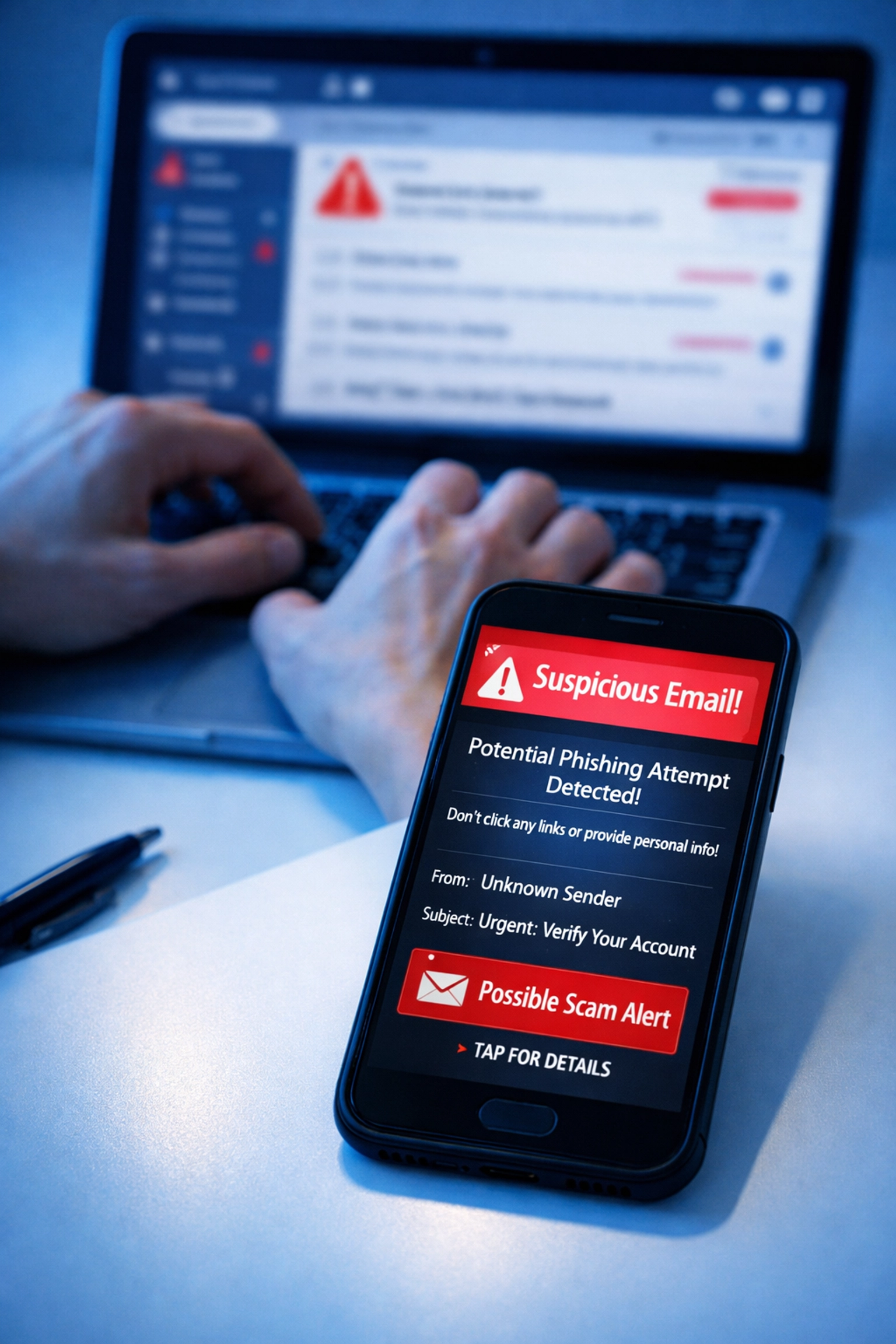
What to do instead:
- The second you receive wire instructions via email, pick up the phone.
- Call your title company using a phone number you obtained independently: not one listed in the email.
- Verbally confirm every detail: account number, routing number, recipient name.
- Ask your title officer to walk you through the instructions while you're both looking at the document.
At Independence Title, we recommend establishing a "safe phrase" with your closer at the start of the transaction. Before sending any funds, you confirm the phrase over the phone. If it doesn't match, you don't wire. Simple as that.
2. Establish a Direct Line with Your Title Company Early
Don't wait until two days before closing to figure out who your title officer is. One of the smartest pre-closing checks you can make is to establish a direct, verified communication channel with your title company the day your refinance is approved.
Here's your action plan:
- Request a dedicated point of contact at your title company: preferably a closer or escrow officer.
- Save their direct phone number and email in your contacts.
- Schedule a brief kickoff call within the first week to introduce yourself and confirm communication preferences.
- Ask how they will send wire instructions and what verification process they use.
This creates a human relationship. Fraudsters rely on anonymity and confusion. When you have a real person you've spoken to multiple times, it's much harder for a fake email to slip through unnoticed.
Plus, if something feels off during the closing process, you'll have someone you trust to call immediately.
3. Audit Your Own Digital Security Before Closing
Here's an uncomfortable truth: sometimes the weakest link in wire fraud protection is you.
If your email account is compromised, scammers can monitor your entire refinance transaction in real time. They'll know when you're closing. They'll know how much you're wiring. And they'll strike at the perfect moment.
Run this digital security audit before closing:
- Enable two-factor authentication (2FA) on your email account. If you're using Gmail, Outlook, or Yahoo, this takes less than five minutes.
- Change your email password to something strong and unique (use a password manager if you need to).
- Check your email forwarding settings. Scammers sometimes set up silent forwards so they can read your messages without logging in.
- Review recently connected devices. If you see anything unfamiliar, disconnect it immediately and reset your password.
- Avoid using public Wi-Fi when discussing or reviewing refinance documents. Use your phone's hotspot or a trusted home network.
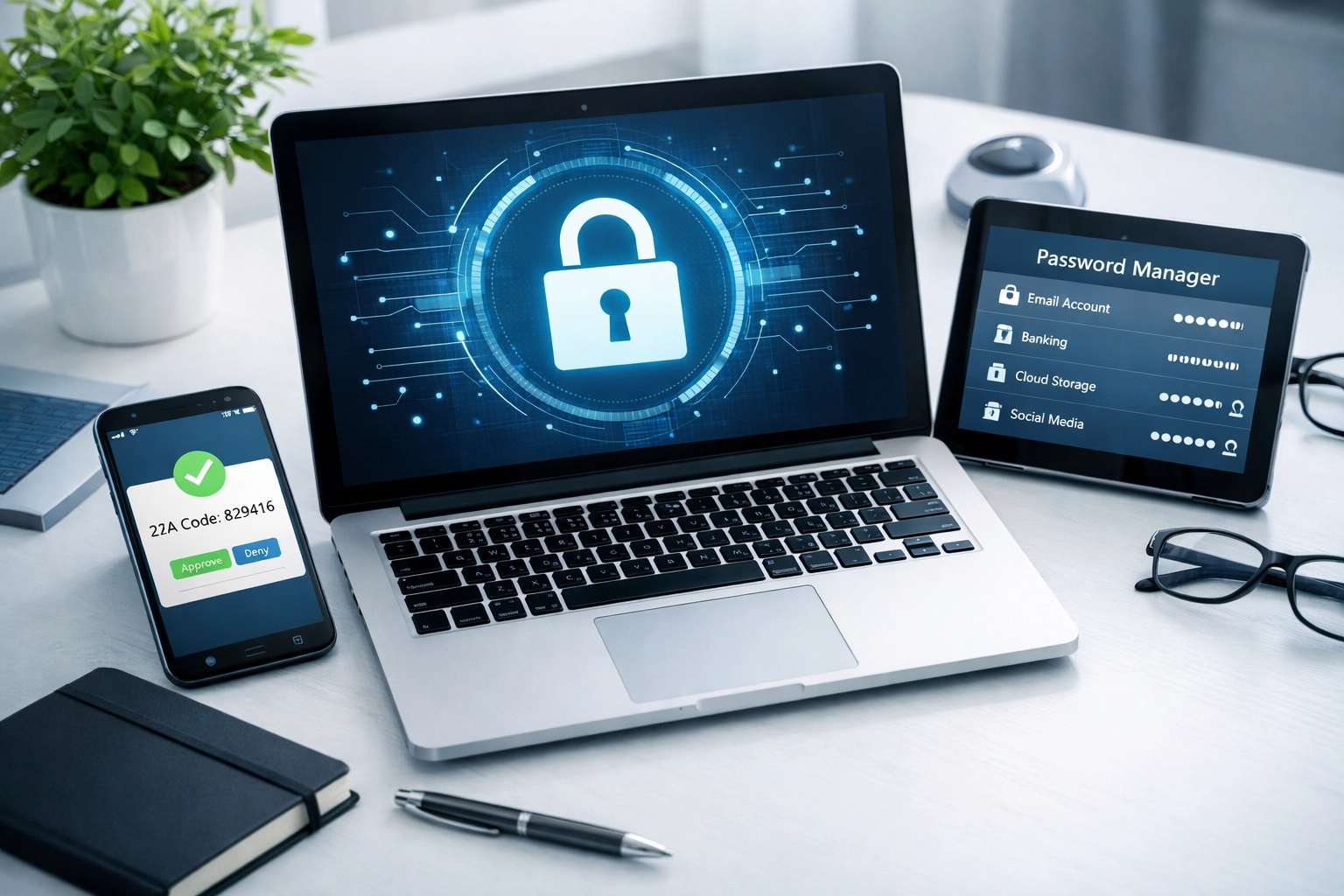
Your lender and title company can have Fort Knox-level security, but if your personal inbox is wide open, you're still at risk.
4. Triple-Check Every Email Address and Phone Number
Fraudsters are really good at creating lookalike email addresses. They'll register domains that are one letter off from your title company's real domain, or they'll spoof the "reply-to" field so it looks legitimate at first glance.
Before you trust any email, do this:
- Hover over the sender's email address (don't just read the display name).
- Compare it character-by-character to the official email your title officer gave you during your kickoff call.
- Look for subtle differences: "independencetitle.com" vs. "independencetitIe.com" (that's a capital i, not an L).
- Check the email header. Most email clients let you view full headers, which show the true origin of the message.
The same goes for phone numbers. If you receive a call from someone claiming to be your closer, verify the number before you share any sensitive information. Call them back using the number you saved in your contacts.
This sounds tedious, but it takes 30 seconds and could save you six figures.
5. Create a Pre-Closing Verification Checklist (With Your Title Company)
The final: and often most overlooked: check is to collaborate with your title company to build a custom verification checklist for your specific refinance.
Every transaction is different. Maybe you're doing a cash-out refi and wiring a large sum. Maybe you're rolling closing costs into the loan and won't wire anything. Your verification process should match your transaction.
Work with your title officer to answer these questions:
- Will I need to wire funds? If so, how much and when?
- What is the exact process you use to send wire instructions?
- Will instructions come via email, secure portal, or certified mail?
- What information will you never ask for via email? (Social Security numbers, login credentials, etc.)
- If I have concerns the day before closing, who should I contact?

At Independence Title, we walk every client through a pre-closing security briefing. We explain our wire protocols, confirm our verified contact information, and make sure you know exactly what to expect on closing day. No surprises. No confusion.
Why Title Companies Are Your Best Defense
Here's the reality: your lender focuses on the loan. Your real estate agent focuses on the deal. But your title company? We focus on the money.
We're the ones handling escrow. We're the ones issuing wire instructions. And we're the ones who will be on the hook if something goes sideways. That's why reputable title companies invest heavily in cybersecurity, fraud training, and verification protocols.
When you partner with a title company that takes wire fraud seriously, you're not just buying title insurance: you're buying peace of mind.
A good title company will:
- Use encrypted email systems or secure client portals for sensitive documents
- Require multi-step verification before changing any wire instructions
- Train staff to recognize and report phishing attempts
- Offer direct phone verification for every wire transfer
- Provide clear, written protocols for how they communicate with clients
If your title company doesn't do these things, it's worth asking why: or finding one that does.
Your Refinance, Your Responsibility
Let's be clear: lenders, title companies, and real estate professionals all have a role to play in stopping wire fraud. But at the end of the day, you are the final line of defense.
No one is more motivated to protect your money than you. And no security system is foolproof if you skip the verification steps.
The five checks we've outlined aren't "nice to have": they're essential. Treat them like you would a home inspection or an appraisal. They're part of the process. They're part of protecting your investment.
Refinancing in 2026 should feel exciting, not terrifying. By taking these proactive steps before closing day, you can wire your funds with confidence, knowing you've done everything possible to keep scammers out of your transaction.
Ready to Refinance Safely?
At Independence Title, we believe wire fraud prevention starts with partnership. From day one, we work with you to establish secure communication, verify every detail, and make sure your closing is as safe as it is smooth.
If you're refinancing in South Florida and want to work with a title company that puts your security first, reach out to our team. We'll walk you through our fraud prevention protocols, answer your questions, and make sure your closing is locked down tight.
Because your refinance should save you money( not cost you everything.)