

You've passed your Florida real estate exam. Now comes the decision that'll shape your entire career: which brokerage do you hang your license with?
This isn't just about finding somewhere to park your license. The brokerage you choose will influence your income, your reputation, your daily work experience, and whether you're still in this business five years from now. Let's break down exactly what you should be looking for.
Start With Your Commission Split (But Don't Stop There)
Yes, commission splits matter. A 70/30 split versus an 80/20 split can mean thousands of dollars over the course of a year. But here's what new agents often miss: a higher split isn't always better.
A brokerage offering you 90/10 but zero support, no leads, and outdated technology might actually cost you more in lost opportunities than a 70/30 split at a firm that hands you warm leads and top-tier marketing support.
Ask about the full financial picture. What are the monthly desk fees? Transaction fees? Are there caps where you move to a higher split after hitting a certain production level? Some Florida brokerages operate on a 100% commission model with flat monthly fees: great for high producers, but potentially risky if you're just starting out and not closing deals consistently.

Support Systems: What's Actually Included?
The level of support varies wildly between brokerages, and this is where you need to get specific during your interviews.
Training and Education
Does the brokerage offer ongoing training beyond your initial onboarding? Look for firms that provide regular CE credits, contract review sessions, market updates, and mentorship programs. Some brokerages assign new agents to experienced mentors. Others throw you in the deep end and expect you to figure it out.
Marketing Support
What marketing materials and resources do they provide? Professional photography? Social media templates? Website builders? Email marketing platforms? A robust CRM system? These tools aren't free if you're buying them independently: they can easily run $200-500 monthly.
Lead Generation
Be realistic about lead generation promises. If a brokerage claims they'll provide you with tons of qualified leads, dig deeper. Where do these leads come from? What's the conversion rate? How are they distributed among agents? Some "leads" are just Zillow inquiries that 20 other agents are also calling.
Culture Matters More Than You Think
You'll spend significant time at your brokerage office (or on Zoom calls with your team). The culture needs to fit your personality and work style.
Size and Structure
Do you want a boutique, family-run brokerage where everyone knows your name? Or a large franchise with hundreds of agents and established brand recognition? Neither is inherently better, but they offer different experiences.
Smaller brokerages often provide more personalized attention and flexibility. Larger brokerages typically offer stronger brand recognition, more extensive resources, and established systems.
Collaboration vs. Competition
Some brokerages foster a collaborative environment where agents share listings, co-list properties, and genuinely help each other succeed. Others are more competitive, with agents protective of their clients and strategies.
Visit the office during business hours. Are agents chatting and collaborating, or is everyone siloed in their own corner? Ask current agents how they'd describe the culture. Their body language will tell you as much as their words.

Technology Can Make or Break Your Efficiency
Real estate technology has exploded in recent years. Your brokerage's tech stack will directly impact how efficiently you work.
Transaction Management
What platforms does the brokerage use for transaction management? Modern cloud-based systems like Dotloop or Skyslope make document management infinitely easier than email chains and paper files.
CRM and Database Management
A good CRM system is essential for managing your sphere of influence and staying in touch with past clients. Does the brokerage provide one, or will you need to pay for your own?
Virtual Tools
Especially relevant in Florida's market with high investor and out-of-state buyer activity: does the brokerage support virtual showings, e-signatures, and remote closings?
Integration with Partners
Here's something most agents don't think about: how well does your brokerage's technology integrate with their preferred vendor partners? Seamless communication between your systems and your title company, lender partners, and inspection services saves massive amounts of time and reduces errors.
The Vendor Partnership Question You Must Ask
Here's where many agents overlook a critical factor: who does your brokerage partner with for title and closing services?
Your title company partner isn't just a back-office detail. They're directly involved in every single one of your transactions. A quality title company catches issues before they derail your closing, communicates proactively with all parties, and makes you look good to your clients.
Ask your potential brokerage:
- Do they have preferred title company partnerships?
- Are you required to use specific vendors, or do you have flexibility?
- What's the reputation of their title partners among agents?
- Do their title partners offer agent-friendly services like after-hours support, mobile closings, or quick turnaround times?
In Florida's complex real estate environment: with issues like unclear titles, HOA complications, condo reserve requirements, and frequent wire fraud attempts: having a responsive, knowledgeable title partner isn't optional. It's essential.
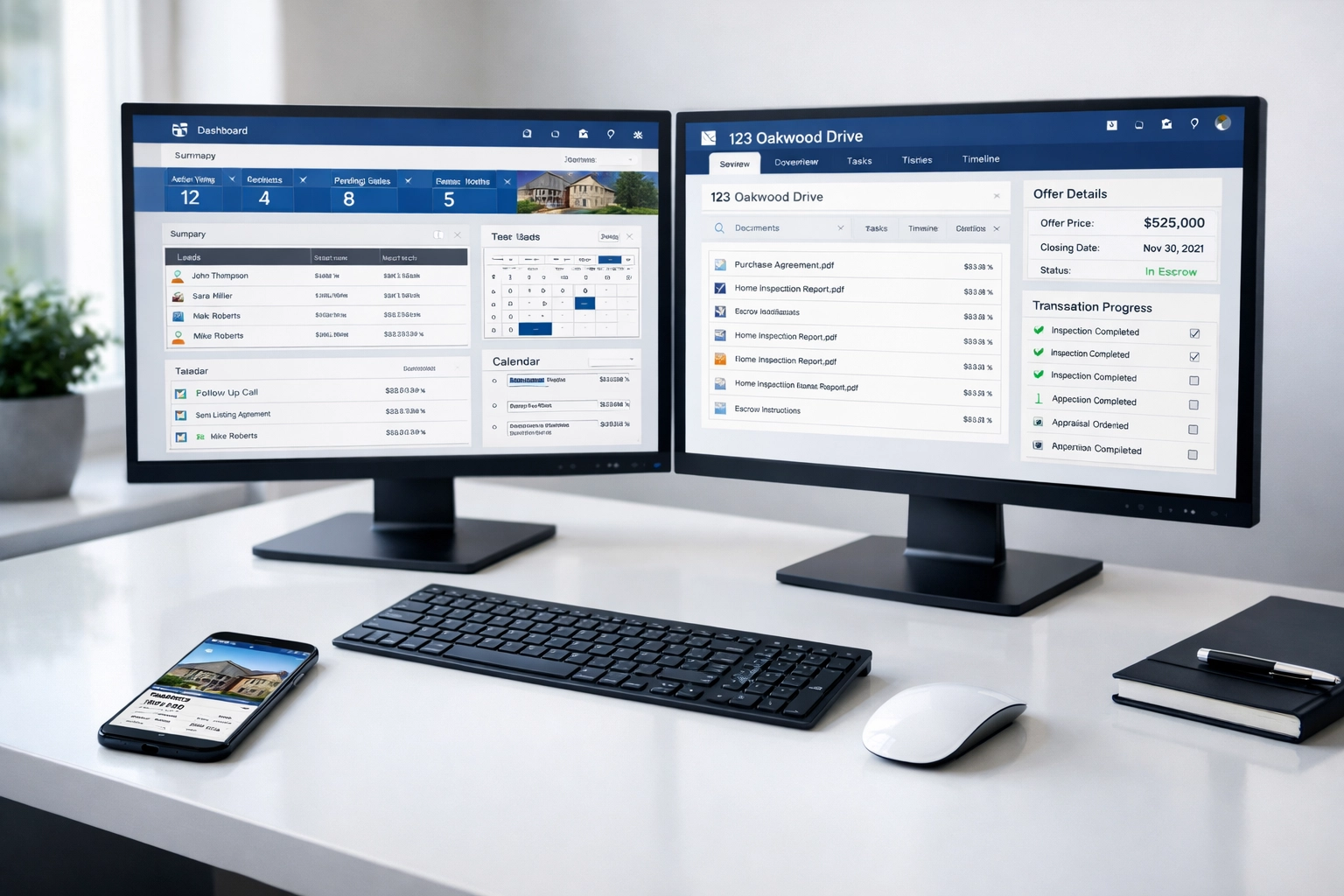
If a brokerage partners with a title company that offers robust agent support, educational resources about Florida's unique challenges, and technology that integrates smoothly with your workflow, that's a significant advantage. Working with the right title partner can mean the difference between smooth closings and constant fire drills.
Broker Accessibility and Leadership Style
Your broker isn't just a name on your license: they're your legal supervisor and, ideally, a resource when complex situations arise.
How accessible is the broker? Can you reach them when you have urgent questions about a contract issue or an ethical dilemma? Some brokers are hands-on and involved daily. Others manage from a distance and delegate to team leaders.
Neither approach is wrong, but you need to know what you're getting. If you're new to the business, a more accessible broker might be worth trading some commission split for.
Questions to Ask During Your Brokerage Interview
Come prepared with specific questions that reveal what working there will actually be like:
Financial Questions
- What's the exact commission split structure and are there any caps?
- What are all the fees I'll pay? (desk fees, transaction fees, E&O insurance, marketing fees)
- How and when do I get paid after closing?
Support Questions
- What training is provided in the first 90 days? First year?
- Do you offer mentorship programs?
- What marketing support and materials are included?
- What technology platforms do you provide?
Culture Questions
- How many active agents do you have?
- What's your average agent production?
- What's your agent retention rate?
- Can I speak with a few current agents?
Partnership Questions
- Who are your preferred vendor partners for title, mortgage, and inspections?
- Am I required to use specific vendors or do I have flexibility?
- How do you support agents when transaction issues arise?
Red Flags to Watch For
Trust your gut, but also watch for these warning signs:
- Pressure to join immediately without time to consider your options
- Vague or evasive answers about commission splits and fees
- No current agents willing to speak with you
- Promises that sound too good to be true about leads or income
- Negative online reviews from former agents about unpaid commissions or lack of support
- Poor communication during your interview process (if they're unresponsive now, imagine when you need help with a transaction)

Making Your Decision
After interviewing multiple brokerages, create a simple comparison chart. List the factors that matter most to you: commission split, support level, culture, technology, brand recognition, vendor partnerships: and rate each brokerage.
Remember, you're not locked in forever. Most agents change brokerages at least once during their career as their needs evolve. But choosing thoughtfully now can help you build momentum faster and avoid unnecessary transitions early in your career.
Your Brokerage Is Your Foundation
The right brokerage provides more than just a place to hang your license. It offers the support system, resources, technology, and partnerships that enable you to serve your clients exceptionally well: which is ultimately what builds a sustainable real estate career in Florida's competitive market.
Take your time with this decision. Interview multiple firms. Talk to current agents. And pay attention to the full package, not just the commission split. Your future self will thank you for doing the homework now.