

Congratulations! You just closed on your Florida home in 2025. The champagne’s been popped, the keys are in your hand, and you’re probably thinking about paint colors and furniture placement. But before you dive into the fun stuff, there are a few critical to-dos that every new Florida homeowner needs to tackle right away.
These aren’t just administrative checkboxes. They’re essential steps that protect your investment, save you money, and keep your property secure. Let’s walk through the three most important things you need to do after buying a home in the Sunshine State.
Protect Your Property with the Home Alert System
Here’s something that doesn’t come up at the closing table but absolutely should: title fraud. It’s one of those nightmare scenarios that seems like it only happens to other people: until it doesn’t. Fraudsters can file fake deeds or mortgages against your property, changing ownership records without your knowledge. By the time you discover it, you’re looking at a legal battle that can cost thousands of dollars and months of stress.
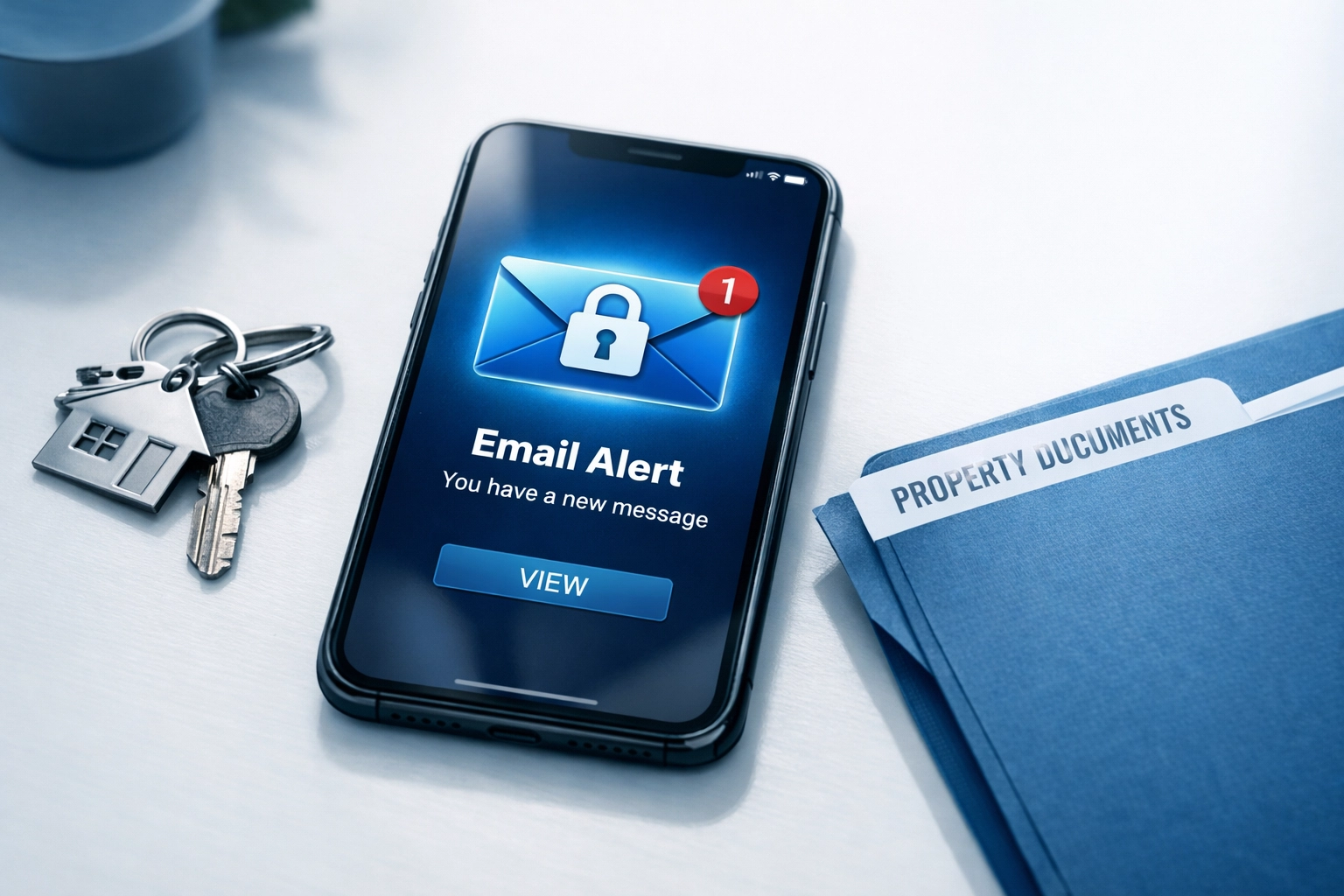
The good news? Florida’s Property Appraiser offices offer a free service called the Home Alert system that acts as your first line of defense. When you sign up, you’ll receive email notifications anytime there’s activity on your property records. That includes deed changes, mortgage recordings, or any other documents filed against your property.
Think of it as a security camera for your title. If someone tries to fraudulently change the ownership or file a fake lien, you’ll know about it immediately instead of months down the road. The earlier you catch these scams, the easier they are to stop.
Signing up takes about five minutes. Head to your county’s Property Appraiser website: whether you’re in Broward, Miami-Dade, Palm Beach, or any other Florida county: and look for the Home Alert or Property Alert registration option. You’ll enter your property information and email address, and you’re set.
This is especially important if you’re a snowbird or own investment property that you don’t visit regularly. You want eyes on those records even when you’re not physically in Florida.
Don’t Miss Your Homestead Exemption Deadline
If you bought your home in 2025 and you’re planning to make it your primary residence, listen up: you need to file for your Florida Homestead Exemption, and the clock is ticking. The deadline is March 1st, 2026.
The homestead exemption isn’t just some minor tax break. It can save you thousands of dollars on your property taxes every single year. In Florida, the exemption removes up to $50,000 from your home’s assessed value for tax purposes. The first $25,000 applies to all property taxes, including school district taxes. The second $25,000 applies to assessed values between $50,000 and $75,000 and only to non-school taxes.

Let’s put that in real numbers. If your home is assessed at $400,000, your taxable value could drop to $350,000 or lower depending on the full exemption calculation. With an average tax rate, that can translate to $700 to $1,500 in annual savings.
But the benefits go beyond just the initial exemption. Once you have homestead status, you also get the Save Our Homes cap, which limits how much your property’s assessed value can increase each year: no more than 3% annually, regardless of how hot the real estate market gets. This protection is huge in Florida, where property values can spike dramatically in strong market conditions.
Here’s what you need to qualify: you must own the property, occupy it as your permanent residence as of January 1st, 2026, and file your application by March 1st, 2026. You’ll also need to provide proof of Florida residency: typically your Florida driver’s license or vehicle registration and a voter registration card.
You can file online through your county’s Property Appraiser website. Broward County residents can head to bcpa.net, Miami-Dade residents can use miamidade.gov/pa, and Palm Beach County residents can visit pbcgov.org/papa. The application process is straightforward, but don’t wait until the last minute. If you miss the March 1st deadline, you’ll have to wait an entire year to apply again, and that means losing out on a full year of tax savings.
Sellers: Don’t Forget Your Closing Statement
This one’s for anyone who sold a home in 2025. You might think you’re done once the transaction closes and the funds hit your account, but there’s one more crucial step: getting your closing statement to your accountant or tax preparer.
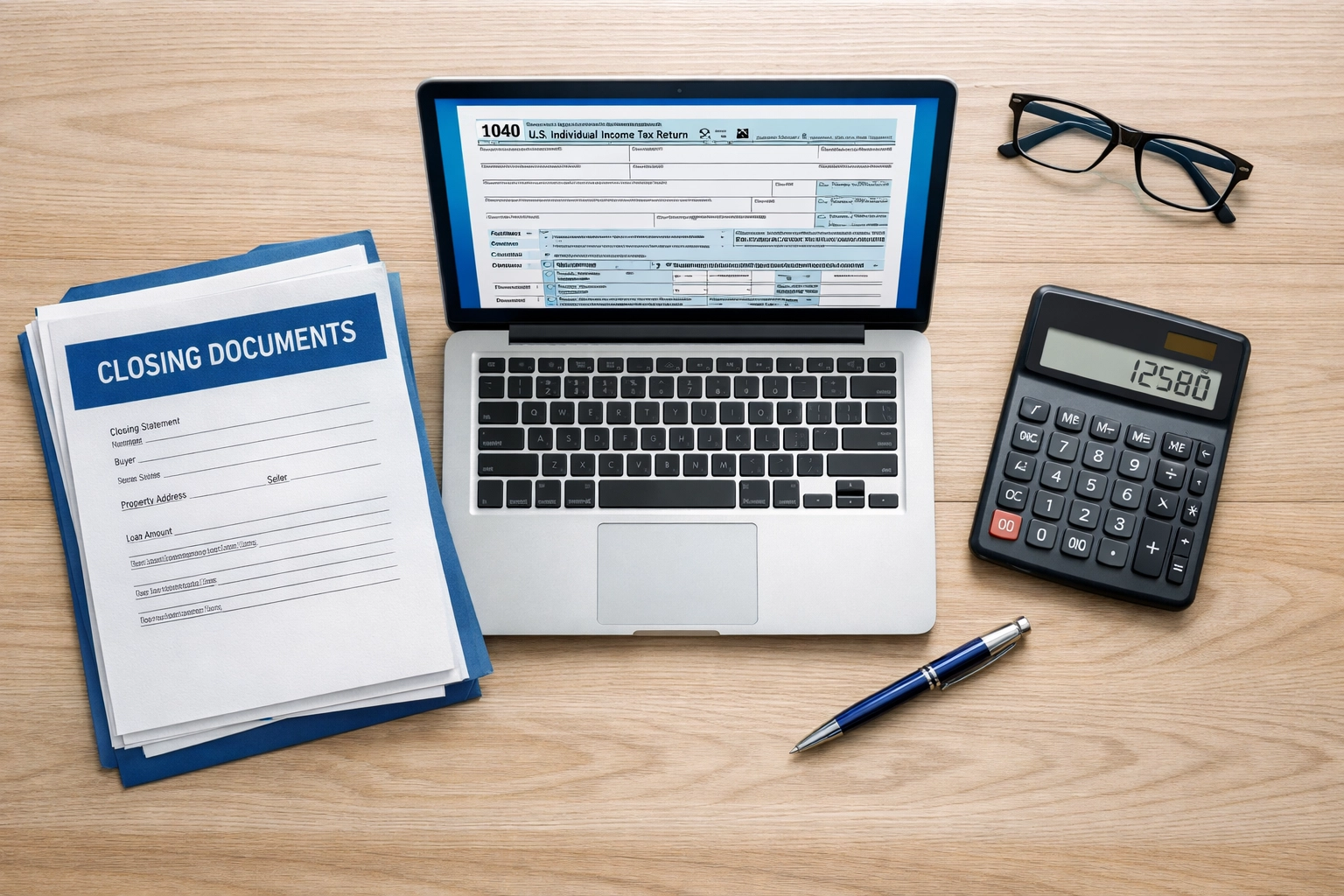
Your closing statement: whether it’s a HUD-1 Settlement Statement (for older closings) or a Closing Disclosure (ALTA statement): is a critical document for tax season. It details exactly how much you received from the sale, what expenses were paid, and information that affects your capital gains calculations.
Here’s why this matters. When you sell real estate, you may owe capital gains tax on your profit. If you lived in the home as your primary residence for at least two of the last five years, you can exclude up to $250,000 of gain if you’re single, or up to $500,000 if you’re married filing jointly. But to claim that exclusion correctly, your accountant needs accurate numbers.
Your closing statement shows your net proceeds, real estate commissions, title insurance premiums, recording fees, prorated property taxes, and any seller concessions or credits. All of these figures factor into your tax basis and ultimately determine whether you owe taxes and how much.
Some sellers make the mistake of thinking they can just provide the final sales price. That’s not enough. Your accountant needs to see the whole picture, including adjustments and costs, to properly calculate your taxable gain or loss.
Additionally, if you carried back a mortgage or agreed to seller financing, those terms need to be documented for tax reporting purposes. The IRS requires specific reporting on installment sales, and your closing statement is the source document for all of that information.
Don’t rely on memory or rough estimates. Track down your closing statement from your title company: if you worked with a reputable Broward County title company or title company in Fort Lauderdale like Independence Title, you should have received copies at closing, and we can always provide duplicates if needed.
Make a copy for your records, send the original to your accountant, and file it somewhere safe. You may need to reference it years down the road if you’re ever audited or if you need to establish your cost basis for future real estate transactions.
Why Working with the Right Title Company Matters
These post-closing to-dos might seem disconnected from your title company, but they’re not. When you work with an experienced Florida title insurance provider, you get more than just a smooth closing. You get a partner who understands the full lifecycle of homeownership in Florida and can guide you through these important next steps.
At Independence Title, we don’t just hand you the keys and wave goodbye. We make sure our clients understand their ongoing responsibilities as Florida homeowners. That includes pointing you toward resources like the Property Appraiser’s Home Alert system and reminding you about homestead exemption deadlines.

We also keep detailed records of your transaction, so if you need your closing statement months or even years later, we can help you track it down. That peace of mind is what separates a great title company in Fort Lauderdale from an average one.
Title fraud, tax savings, and proper documentation might not be the most exciting parts of homeownership, but they’re some of the most important. The decisions you make in these first few months after closing can save you thousands of dollars and protect you from serious headaches down the road.
Your Action Plan
If you bought a home in Florida in 2025, here’s your checklist:
Immediate Actions:
- Sign up for your county’s Property Appraiser Home Alert system to monitor your property records for fraudulent activity
- Verify that you received your closing statement and file it in a safe place
Before March 1st, 2026:
- File your Florida Homestead Exemption application if you’re making this your primary residence
- Gather required documentation: Florida driver’s license or ID, vehicle registration, and voter registration card
Before Tax Season:
- If you sold property in 2025, provide your closing statement to your accountant or tax preparer
- Discuss any potential capital gains implications with your tax advisor
Homeownership in Florida comes with incredible benefits, from no state income tax to beautiful weather year-round. But it also comes with specific responsibilities that are unique to the Sunshine State. Taking care of these three action items protects your investment and sets you up for years of successful homeownership.
If you have questions about your closing documents, need help understanding your title insurance policy, or want guidance on protecting your new property, reach out to Independence Title. We’re here to support Florida homeowners through every stage of the real estate journey: not just the closing.
Your home is likely the biggest investment you’ll ever make. A few simple steps now can protect that investment for decades to come.