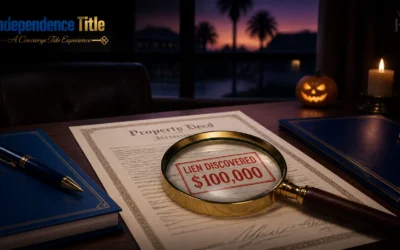

A property can look perfect and still carry problems you cannot see from the driveway.
A lien, easement, forged deed, unpaid assessment, or recording error can affect your ownership, financing, and ability to sell. Clear and marketable title helps protect the investment behind the walls, not just the property you can see.
Hook: The Property Is Only as Secure as the Title
Buying real estate is not just about getting the keys. It is about receiving the legal right to own, use, finance, and sell the property.
That is why title matters to everyone involved. Homeowners need confidence in their ownership. Investors need an asset they can resell or leverage. Lenders need a valid lien position. Future buyers need to know they are not inheriting an unresolved problem.
At Independence Title, we approach every transaction with the same discipline The Title King, Kevin Tacher, Founder and CEO of Independence Title, brings to complicated real estate deals: identify the risk, verify the facts, and solve the problem before it becomes expensive.
Protect what matters most.
Truth: “Clear” Title Does Not Always Mean Perfect Title
People often use “clear title” and “marketable title” as if they mean exactly the same thing. They are related, but there is an important distinction.
A truly clear title would have no liens, loans, easements, restrictions, or other claims attached to the property. In real estate, that standard is uncommon. Many properties have recorded utility easements, subdivision restrictions, access rights, or other conditions that do not prevent ownership or a normal sale.
A marketable title is the more practical standard. It means the ownership can be established and transferred without a reasonable concern that another party could successfully challenge the title or that a serious defect would interfere with the sale, financing, or use of the property.
As we explain in our guide to the difference between clear title and marketable title, some encumbrances are acceptable. A utility company may have a right to access part of a lot. A homeowners association may have recorded restrictions. Those matters may affect how a property is used, but they do not automatically make the title unmarketable.
The question is not whether the record is completely empty. The question is whether the title is safe, insurable, and acceptable for the transaction.
Lesson: Clear Title Creates Options
A strong title position gives a property flexibility. It supports ownership confidence today and preserves options for tomorrow.
For homeowners
Clear and marketable title gives homeowners confidence that they own what they purchased. It supports the right to occupy, improve, refinance, transfer, or sell the property, subject to the recorded documents and applicable law.
For example, a Fort Lauderdale homeowner may discover that a prior owner left behind an unpaid contractor claim or unresolved estate issue. If that problem affects the chain of title, it can create stress years after the purchase. A title search is designed to identify those issues before closing whenever possible.
For real estate investors
Investors need more than a property that can be purchased. They need an asset that can move through the next stage of the investment plan.
A marketable title can make it easier to resell, refinance, assign an interest when permitted, or use the property as collateral. A title defect can slow the deal, reduce the buyer pool, delay funding, and create legal expenses.
This is especially important with older Broward County properties, inherited homes, foreclosure-related transactions, tax deed purchases, land trusts, assignments, and double closings. Complicated deal structures require careful coordination between the contract, ownership documents, title requirements, and closing process.
For lenders
A lender’s loan is secured by the property. If another party has a superior claim, an unreleased lien takes priority, or the borrower cannot convey valid ownership, the lender’s security can be affected.
That is why lenders typically require a lender’s title insurance policy. The policy protects the lender’s mortgage interest against covered title risks. It does not protect the homeowner’s equity.
For future buyers
Every sale creates the starting point for the next buyer’s title review. A problem that is ignored today may become an objection during a future sale or refinance.
Solving title issues early protects the current owner and makes the property easier to transfer later. A clean closing is not only about completing this transaction. It is about preserving the property’s future marketability.

What Can Cloud a Property Title?
A title defect is any issue that creates uncertainty about ownership, transfer, financing, or the use of the property. Common examples include:
- Unpaid liens, including mortgage liens, tax liens, judgment liens, HOA claims, and construction liens
- Unreleased mortgages that appear to remain attached to the property after a loan was paid off
- Probate or heirship issues involving a prior owner who died without properly transferring the property
- Forgery or deed fraud in the earlier chain of title
- Errors in legal descriptions, names, dates, signatures, or recording information
- Easements and access rights that affect how the property can be used
- Boundary disputes or encroachments involving fences, driveways, additions, or other improvements
- Open permits, municipal liens, or code violations
- Divorce, foreclosure, bankruptcy, or tax sale complications
- Unrecorded interests, leases, contracts, or claims by third parties
Some issues can be resolved with payoff documents, corrective deeds, affidavits, releases, or other closing requirements. Others may require legal advice or a court process, such as a quiet title action.
The important point is simple: do not wait until the day before closing to discover what is attached to the property.
Title Searches Find Problems Before They Become Your Problems
A title search examines the public records and traces the chain of ownership. The title professional reviews deeds, mortgages, judgments, liens, probate documents, court filings, restrictions, easements, and other matters that may affect the property.
The result is commonly reflected in a title commitment. This document identifies requirements that must be satisfied before the title policy can be issued. It also lists exceptions, which are matters the policy may not cover.
Review those exceptions carefully. A recorded easement is not automatically a defect, but you should understand where it is and how it affects the property. A lien is not automatically a deal killer, but it may need to be paid or released before closing.
The Florida Bar’s consumer guide to buying a home explains that title examination requires more than a quick review of names in a county index. It can involve interpreting deeds, mortgages, wills, court orders, inheritance records, foreclosure documents, and other legal instruments.
That is why experience matters. Every chain of title is different.
Owner’s and Lender’s Title Insurance Serve Different Purposes
A title search is essential, but no search can eliminate every risk. Some defects are hidden, improperly recorded, forged, misindexed, or impossible to discover from the available records.
Title insurance provides protection against covered title risks that existed before the policy date. It may help defend the insured against a covered claim, clear the title, or provide compensation for a covered loss, subject to the policy terms, exclusions, exceptions, and limits.
Owner’s title insurance
An owner’s policy protects the buyer’s ownership interest and equity. Depending on the policy, covered risks may include:
- Claims by unknown heirs
- Forged or fraudulent prior deeds
- Undisclosed liens or judgments
- Errors in public records
- Defects in the chain of title
- Certain claims involving prior ownership or access rights
Owner’s coverage is especially important because the property may increase in value over time. If a covered claim threatens your ownership years after closing, your potential loss may be much greater than the original purchase price.
Lender’s title insurance
A lender’s policy protects the lender’s mortgage interest. It does not protect the owner’s equity, investment gain, or right to remain in the property.
If your purchase involves financing, the lender will usually require a lender’s policy. That requirement should not be confused with owner protection. As the Florida Bar notes, buyers are commonly advised to obtain an owner’s policy even when the lender does not require one.
Learn more about what title insurance covers and how coverage works in a Florida transaction.

Playbook: Protect Your Property Before and After Closing
Clear title is not a one-time conversation. Use this playbook to protect your investment.
1. Choose experienced title professionals early
Bring your title company into the transaction as soon as possible. Early review gives the team more time to identify liens, ownership questions, payoff issues, estate matters, and unusual contract requirements.
2. Review the title commitment
Do not treat the commitment as paperwork to sign and forget. Ask what each requirement and exception means. Confirm that serious liens, mortgages, judgments, and other title issues are being addressed before closing.
3. Confirm the legal description
The street address is not enough. Review the legal description and parcel information. If you are buying an investment property, land trust interest, or multi-party transaction, confirm that the vesting and ownership structure match the business plan and lender requirements.
4. Consider an owner’s policy
A lender’s policy protects the lender. An owner’s policy protects you. Review the available coverage, exceptions, and endorsements with the appropriate title professional or attorney.
5. Keep your closing records
Save your final title policy, deed, settlement statement, survey, mortgage documents, payoff confirmations, title commitment, and closing correspondence in a secure location. Keep both digital and physical copies when practical.
These records can help during a future sale, refinance, insurance question, estate planning discussion, or title claim.
6. Monitor public records for deed fraud
Deed fraud can involve someone impersonating an owner, filing a fraudulent deed, or recording another document against the property. Check whether Broward County offers property fraud alerts or recording notifications, and use available government resources to monitor activity connected to your property.
If you receive an unexpected recording notice, mortgage statement, lien notice, or transfer document, do not ignore it. Contact the recording office, your title professional, and a qualified real estate attorney promptly.
7. Verify before sending money
Title protection also includes protecting the funds used to close. Criminals target real estate transactions because the payments are large and the deadlines are real.
Never rely on an email alone for wiring instructions. Confirm the instructions using a trusted phone number obtained independently, not a number included in a suspicious message.
The wire is never real until it is verified.
Review Independence Title’s real estate wire fraud prevention guide for practical steps. Slow is smooth. Smooth is fast. Taking a few minutes to verify can protect years of savings.

Close: Make Title Part of Your Investment Strategy
A property is not fully protected just because the transaction closed. Ownership confidence comes from understanding the title, resolving serious defects, choosing the right insurance coverage, preserving your records, and staying alert after closing.
Whether you are buying a home in Fort Lauderdale, refinancing a Broward County investment property, financing a new acquisition, or preparing to sell, start with the title.
Work with a team that communicates clearly, handles complicated transactions, and keeps every party informed. That is the standard behind Independence Title and A Concierge Title Experience.
Learn. Teach. Lead. Repeat.
Before you sign, fund, refinance, or resell, ask one direct question: Is the title truly ready for the next step?
This article is provided for general educational purposes only and is not legal or tax advice. Real estate transactions are fact-specific. Title insurance coverage depends on the specific policy language, exclusions, exceptions, endorsements, policy limits, and facts of the claim. Consult a qualified Florida real estate attorney, tax professional, lender, or title insurance professional regarding your situation.